• By Refilwe Sekano

    The basis of evolutionary medicine is the interplay between health, environment, and disease. Malaria and Multiple Sclerosis (MS) are examples of this interplay. Malaria is a vector-borne disease caused by the Plasmodium falciparum parasite. Malaria exerts a strong selective pressure, which results in the enrichment of alleles which may increase the susceptibility to other diseases. The Sardinian Island was plagued with malaria, and the World Health Organisation (WHO) coordinated an eradication campaign on the island in 1951. Coincidentally, after the eradication of malaria in Sardinia, there was a threefold increase in MS incidence from 1960. This was a short time for genetic changes in the Sardinian population, meaning that an environmental change was probably the likely determinant of the increased MS incidences. MS itself is a neurodegenerative autoimmune disease that attacks the CNS myelin or oligodendrocytes. Northern Europe has a high prevalence rate of MS, the Mediterranean basin has a medium and Africa has a low prevalence rate. With this, the researchers aimed to determine whether individuals with MS in Sardinia exhibited a stronger immune response to the malaria parasite Plasmodium falciparum compared to ethnically unrelated healthy controls and MS patients in continental Italy.

    So, how did they do this?

    Three experimental groups were recruited in this study. Twenty-eight patients of Sardinian ancestry with definitive MS (sMS), 28 age and sex-matched ethnic healthy controls (sHC) and 16 age and sex-matched MS patients from continental Italy were selected as controls in this study (iMS). The researchers then collected peripheral blood from the 3 experimental groups, and their mononuclear cells (MNC) were isolated by centrifugation, and then exposed to P. falciparum, and a proliferation assay was performed. Next, the researchers measured how well the MNC killed the P.falciparum parasite by determining the parasite growth by measuring the activity of its lactate dehydrogenase, measured through a 650 nm OD spectrophotometer. Lastly, the researchers conducted an ELISA test for human IL-6, TNF-𝛼 and IL-12p40 using the supernatant of the MNC proliferation test to determine how much was produced.

    Their key findings.

    The immune response driven by P.falciparum antigens was significantly higher in the sMS patients. The killing of the malaria parasite and phagocytosis of the infected red blood cells by macrophages were significantly enhanced in the sMS patients as compared to the sHC patients. Therefore, this suggests that Sardinian individuals affected by MS have a stronger anti-P.falciparum immune response than the healthy controls and the continental Italians.

    The sMS group had the highest P. falciparum-drivenTNF production, followed by the sHC and lastly the iMS group.

    What can we conclude from their findings?

    The Sardinian population serves as a compelling example of the complex interplay between health, evolution, and the environment. Before malaria was eradicated on the island, Sardinians survived severe forms of the disease due to their robust anti-P. falciparum immune response. However, the elimination of malaria, combined with significant improvements in hygiene, may have disrupted this positive selection pressure. This shift could have led to an overactive immune system, potentially contributing to the development of autoimmune disorders such as multiple sclerosis (MS).

    Reference:

    Sotigu. S., Sannella. A., Conti. B., Arru. G., Fois. M., Sanna. A., Severini. C., Morale. M., Marchetti. B., Rosati. G. 2007. Multiple Sclerosis and the Anti-Plasmodium falciparum Innate Immune Response. Journal of Neuroimmunology. 185(1-2):201–207. doi:https://doi.org/10.1016/j.jneuroim.2007.01.020.

  • By Alilita Lajoboda

    Picture this, you are at a backyard braai. Then two of your friends show up, each carrying a different bottle of chilli sauce. One a classic store brand chilli labelled “Nicotino’s chilli sauce”, the other a homemade blend of chilli sauce made from unprocessed ingredients labelled “organic, calming CBD infusion.” One looks fiery and synthetic, the other, wholesome and handmade. Naturally, most people assume the CBD sauce is the gentler and safer option.
    Here’s the twist, it’s the “natural” sauce that sets your mouth in fire, leaves your throat raw and causes a worse reaction that the store bought one ever could. That’s the paradox of vaping today, what looks like vaporized serenity, especially when it involves something like cannabidiol (CBD), known for its calming, therapeutic reputation, may be hiding more risk that we may realize. We’ve long scrutinized nicotine for its addictive nature and respiratory consequences (rightfully so), but CBD vaping has crept into popular use under a softer glow, often perceived as the natural, medicinal and safer option.
    What if that perception is dangerously misleading?
    Vaping is the inhalation of aerosols, commonly known as vapors, produced by an electronic device known as an e-cigarette or vape pen. Over the past decade, vaping has gained popularity, first as a “safer” alternative to cigarette smoking and then as a trendy vehicle for cannabis consumption. However, research warns us that, just because it’s a vape pen, that does not necessarily mean it’s benign. In this study, researchers from Roswell Park Comprehensive Cancer Center, set out to answer a vital question: Are the lungs affected differently when people vape CBD compared to nicotine?


    Methods
    To answer this question, the researchers then conducted an in vivo inhalation study in mice and in vitro cytotoxicity experiments with human cells to assess the pulmonary damage-inducing effects of CBD or nicotine aerosols emitted from vaping devices.
    Pulmonary inflammation in mice was evaluated using histological analysis, flow cytometry, and quantification of pro-inflammatory cytokines and chemokines. Lung injury was assessed through histology, measurement of myeloperoxidase (MPO) activity, and levels of neutrophil elastase in bronchoalveolar lavage (BAL) fluid and lung tissue. To evaluate lung epithelial and endothelial barrier integrity, BAL protein concentrations, albumin leakage, and pulmonary FITC-dextran permeability were
    measured. Oxidative stress was assessed by determining the antioxidant capacity in both BAL fluid and lung tissue. The cytotoxic effects of CBD and nicotine aerosols on human neutrophils and human small airway epithelial cells were examined using an in vitro air–liquid interface (ALI) exposure system.


    Key Findings


    Figure 1: Markers of lung damage induced after inhalation exposure to CBD and nicotine aerosols.
    Exposure to CBD aerosols resulted in more lung endothelial damage than exposure to niciotine aerosols. This was because total protein levels in the bronchoalveolar lavage (BAL) were elevated following inhalation of CBD aerosols compared to air-exposed controls (Fig 1A). Furthermore, serum albumin leakage into the BAL was significantly increased after CBD aerosol exposure relative to both nicotine aerosol and air exposures (Fig 1B). In addition, systemic leakage of FITC-dextran from the lungs into the plasma was substantially higher following CBD aerosol inhalation compared to nicotine aerosol exposure (Fig 1C). There were no statistically significant differences observed in the levels of these markers when comparing male with female mice.


    Figure 2: Inflammatory changes in the lungs following inhalation exposure to CBD and nicotine aerosols.
    Exposure to CBD aerosols resulted in greater accumulation of innate and adaptive immune cells in lungs compared with nicotine exposure. This is because histological analysis of H&E-stained lung tissue sections from control mice exposed to filtered air revealed normal lung architecture, with air-filled alveolar spaces bordered by thin alveolar walls (Figure 2B). In contrast, peribronchiolar and/or intrabronchiolar, perivascular, alveolar infiltrates and interstitial infiltrates of lymphocytes, macrophages and granulocytes were the predominant finding in the CBD and nicotine exposed mouse lungs (figure 2C–E). Both small focal lesions and larger, more regionally extensive lesions were observed, predominantly near terminal bronchioles and frequently in subpleural regions. The incidence and severity of these lesions were notably higher in mice exposed to CBD aerosols compared to those exposed to nicotine aerosols.


    Conclusion and take aways.
    This study highlighted that the use vape pens for the purpose of inhaling CBD containing aerosols causes significant severe damage to the lungs and more significant inflammatory responses on the lungs compared to the inhalation of nicotine. However, this does not mean that the vaping of nicotine is safe. In my opinion, no form of vaping is without harm and avoiding all vaping is the healthiest cost. After all a braai with no chilli sauce, is still a great braai.


    Reference
    Bhat TA, Kalathil SG, Goniewicz ML, Hutson A, Thanavala Y. Not all vaping is the same: differential pulmonary effects of vaping cannabidiol versus nicotine n.d. https://doi.org/10.1136/thoraxjnl-2022-218743

  • By Natasha Murape

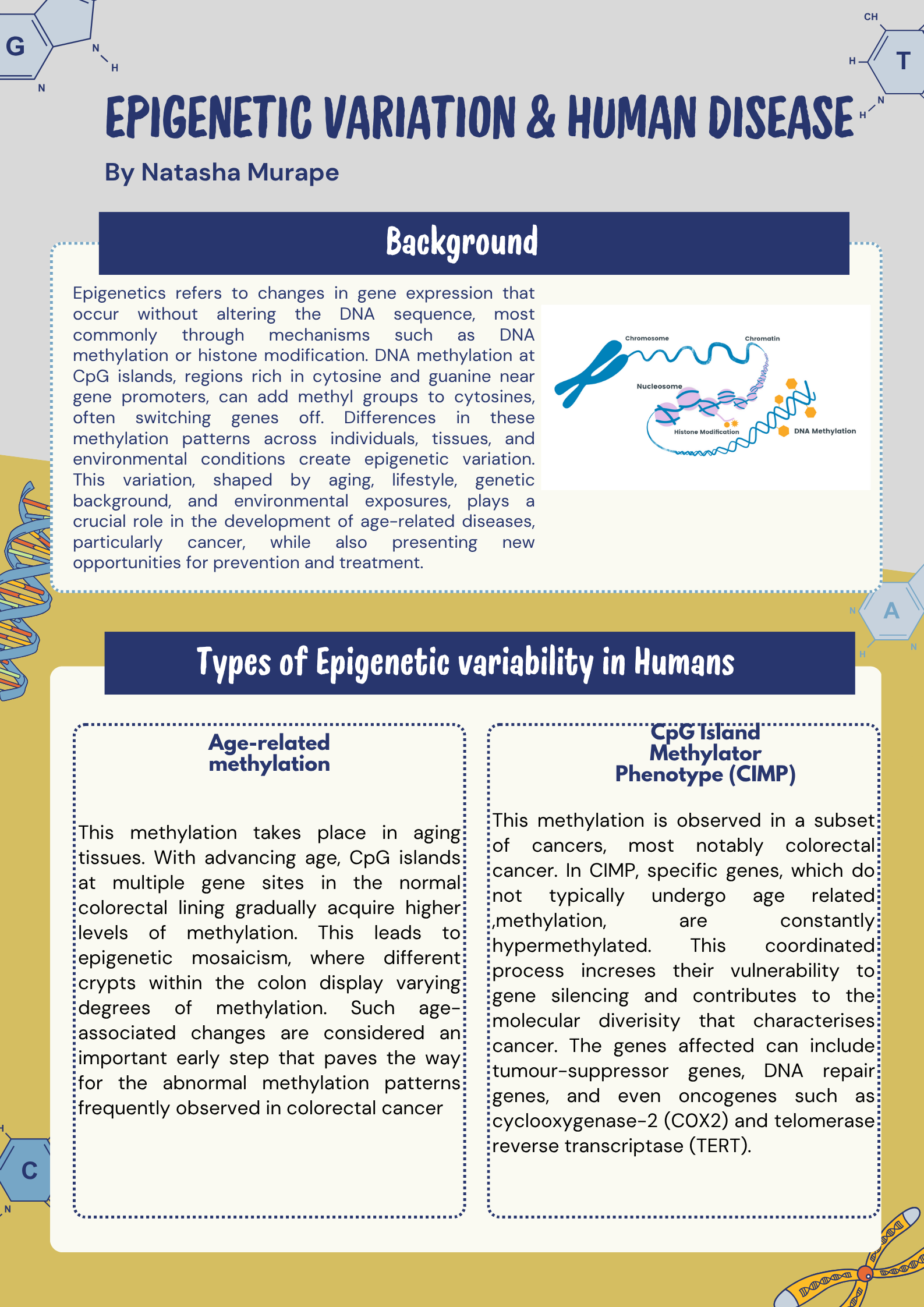
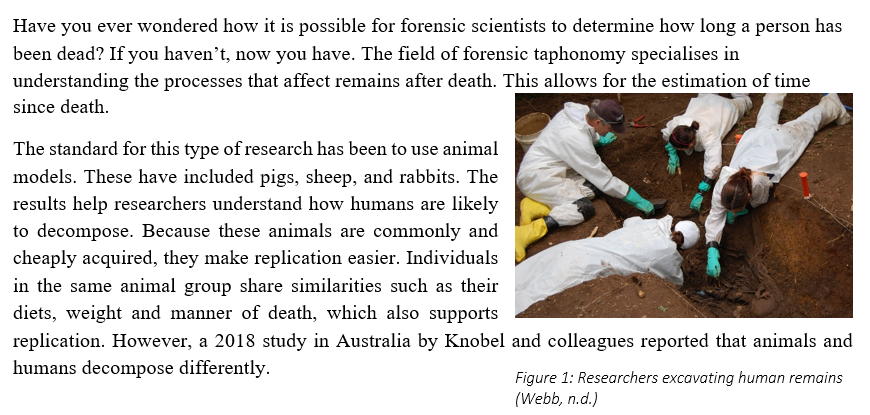
    Of the 3 billion bases that make up the DNA content of the human genome, approximately 21,000 protein-coding genes are scattered along them. This represents only 3% of the human genome. The remaining vast stretches of repetitive DNA were previously dismissed as “junk”, evolutionary debris without a biological function. More recently, however, dumpster diving through the human genome has unearthed a treasure trove of hidden regulatory networks that hold clues to gene regulation and disease risk. In genetics, “Junk DNA” refers to non-protein-coding DNA regions. The term was coined in the 1960s and popularised by Susumo Ohno. The idea around Junk DNA arose from the assumption that vast amounts of non-coding regions consisted of non-functional, repetitive DNA elements. Today, however, the concept of junk DNA is evolving as emerging evidence reveals that non-coding regions function as critical regulatory elements essential for gene regulation and disease risk.

    Non-coding regions of genomes, particularly abundant in higher organisms, were poorly understood by early researchers; their size, complex composition and lack of protein code led many geneticists to readily assume they were non-functional. These regions are often characterised by short and simple DNA sequences, sometimes as few as two to three nucleotides long, repeated a thousandfold throughout the genome. Additionally, the length and composition of these repeats tends to be extremely variable between species and members of the same species, and sometimes between cells from the same organism. This stands in sharp contrast to the structure of known genes, which are generally longer, unique and highly conserved, indicating their crucial function. From this observation, early researchers concluded that sequences exhibiting such drastic variability were unlikely to have an important biological function. Furthermore, early prominent geneticists had a reductionist view that everything else that is non-protein-coding in the DNA is likely junk.

    Contrary to earlier assumptions of non-functionality, short tandem repeats within non-coding DNA have been shown to play a critical role in regulating gene expression by shaping transcription factor binding. Gene expression is regulated by transcription factor proteins that bind to DNA sequences called motifs. However, TFs do not always behave as predicted, occasionally binding to regions that lack motifs or by avoiding strong motifs. One explanation lies in the changes within non-coding regions, such as short tandem repeats, which seem to alter the local DNA landscape around motifs and influence transcription factor affinity. A new study by Horton and colleagues demonstrated that length variations within short tandem repeats around a motif could enhance transcription factor binding by 70-fold, ultimately modulating the expression of nearby protein-coding genes. Given that Short tandem repeats are associated with polygenic diseases ranging from autism to cancers these findings are important as they may provide clinical insights and therapeutic strategies for such conditions.

    Non-protein-coding regions of the genome, once thought to be inert, also generate functional RNAs that regulate gene expression. A large fraction of the eukaryotic transcriptome consists of non-coding RNAs including microRNA (miRNA), long non- coding RNA (lcRNA) and circular RNA (CircRNA). Among these, microRNAs are a significant discovery and are now recognised as key regulators of various cellular processes. The first miRNA to be identified, lin-4, was discovered by scientists Victor Ambros and Gary Ruvkun in Caenorhabditis elegans in the early 1990s. In his laboratory, Ruvkun demonstrated that lin-4 repressed expression of lin-14 during the post-transcriptional stage. Ambros was concurrently investigating the regulation of lin-14 by lin-4, and comparison of their findings revealed that the two genes shared complementary sequences. Together, they successfully showed that lin-4 bound to the lin-14 mRNA transcript, thereby blocking its translation into a protein. This discovery reveals an unusual mechanism of gene regulation not only peculiar to C. elegans but present throughout the animal kingdom. Since then, miRNAs have been essential for normal cell and tissue development. Dysregulation of miRNAs has been linked to the onset of cancers; moreover, mutations in the genes coding for miRNAs have been associated with hearing loss, eye disorders, and skeletal disorders. 

    In conclusion, the notion of “Junk DNA” is increasingly recognized as misleading, as non-coding regions once dismissed as genomic debris are now understood to contain regulatory elements that control gene expression and influence disease risk. Evidence shows that short tandem repeats within non-coding regions influence transcription factor binding, while non-coding RNAs regulate genes at the post-transcriptional level. These discoveries paint a different picture of the biological function of these regions once considered inert. It may be time to retire the phrase “Junk DNA,” as it fails to capture the biological activity observed in these genomic regions.

    References

    1. Connor A. Horton et al. ,Short tandem repeats bind transcription factors to tune eukaryotic gene expression.Science381,eadd1250(2023).DOI:10.1126/science.add1250
    2. Lee RC, Feinbaum RL, Ambros V. The C. elegans heterochronic gene lin-4 encodes small RNAs with antisense complementarity to lin-14. Cell. 1993;75(5):843-854. doi:10.1016/0092-8674(93)90529-y
    3. Wightman B, Ha I, Ruvkun G. Posttranscriptional regulation of the heterochronic gene lin-14 by lin-4 mediates temporal pattern formation in C. elegans. Cell. 1993;75(5):855-862. doi:10.1016/0092-8674(93)90530-4

    1. By Lee Fredericks

      Wow, where do I even begin?

      This year has been a rollercoaster of emotion. By far the most intense year of studies I’ve ever experienced, but also the most insightful with regards to what life may be like from now onwards. I love that it feels more independent and like I am organising and instigating whatever tasks I take on, but at the same time that level of freedom is kind of anxiety inducing. Like, what if I’m making a mistake in which tasks I prioritise? What if I seem like I am not trying hard enough to learn new things? And OHHHH the learning curve? Yea, I couldn’t have even imagined how steep it was going to be when I started. BUT, the point is that I did start and I am learning and I think the best advice I could’ve given myself at the start is not to be scared of that. I am still learning, I am still a student, I don’t have to place these huge expectations on myself and instead I should focus on absorbing as much as I can while not losing the spark that made me choose this path. Be inquisitive, be curious, ask questions, these are the things about being a scientist that wasn’t necessarily taught in undergrad and learning them now can only make me better in the future.

      Here’s to hoping this next part of the year is just as fruitful as the start (even if I have been warned it only gets worse from here on).

    2. by Noluntu Buyana

      Have you ever wondered why some people seem naturally more are aggressive than others? Or how two people who are raised in similar environments have completely different reactions to stress or conflict? No?…..well I have so buckle up!

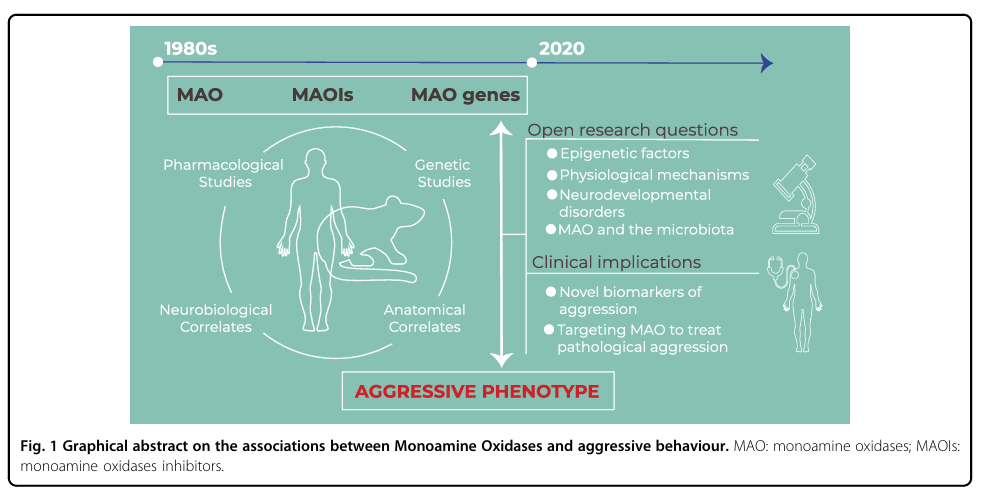
      Violence and aggression are complex behaviours shaped by an intricate interplay of environmental, psychological and biological factors. While upbringing and social context plays a major role, researchers have increasingly turned their attention to the brain and genetics with monoamine oxidase A gene (MAOA) drawing considerable interest. The interest blossomed in 1993 when Brunner et al. reported repeated explicit aggressive and violent behaviours among males across several generations in a Dutch family. They carried X-linked missense mutation in the MAOA gene causing abnormally low MAOA enzyme activity, a condition later termed Brunner syndrome.

      Loacted on the X-chromosome, the MAOA gene encodes for monoamine oxidase A enzyme, which is involved in the catabolism of neurotransmitters including dopamine, norepinephrine and serotonin in the brain. These neurotransmitters are vital to mood regulation, emotional response and stress management. Two main gene variations exist: Low-activity (MAOA-L) and high activity (MAOA-H) variants. The MAOA-L results in lower levels of MAOA enzyme, leading to the build-up of neurotransmitters. It has been associated with heightened impulsivity, antisocial traits, and increased aggressive responses, particularly in males. The MAOA-H variant, by contrast, leads to faster neurotransmitter breakdown. Some studies have suggested possible links to aggression in females, though findings remain inconsistent and not solid.

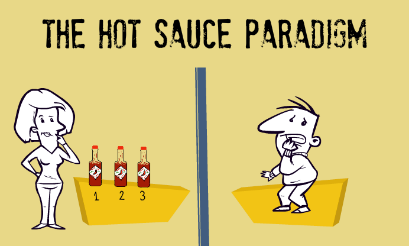
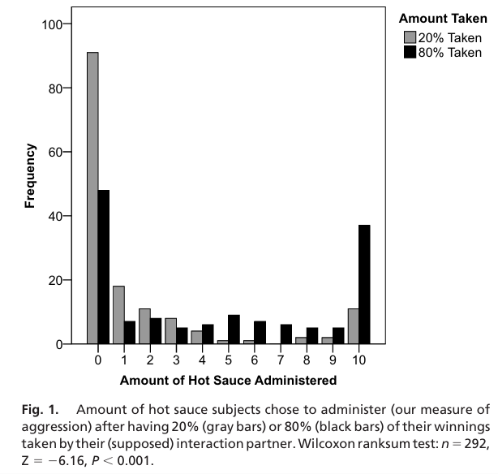
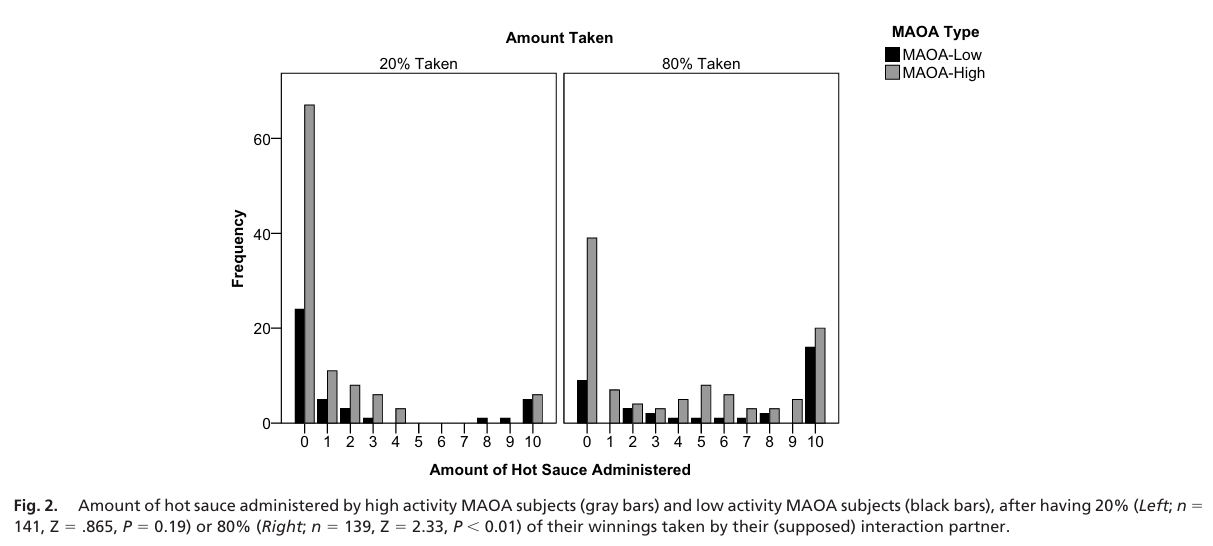
      The MAOA-L variant, nicknamed the “warrior gene”, has been associated with increased aggression following challenges in observational and survey-based studies, especially when combined with adverse childhood experiences. Noting the importance of childhood adversity and environmental contingences in behavioural outcomes, more studies started focusing on gene-by-environment interactions in MAOA-L individuals. McDermott et al. conducted an experiment aimed at observing how MAOA gene influence aggressive behaviour under varying levels of provocation, using the “host sauce” paradigm. They hypothesised that individuals MAOA-L will react more aggressively with high levels or provocation compared to the MAOA-H group, and not react aggressively with low provocation (i.e., gene by environment interaction).

      METHODS

      DNA samples were collected from 78 college male participants, and they were grouped as either MAOH-H or MAOA-L carriers. Each participant was told they were paired with an anonymous partner in a different lab (it was actually a computer). They performed a task and awarded money upon the completion. Afterwards, each participant was told their “partner” had either 0%, 20% (low take) or 80%(high take) of their earnings.

      Each participant was given 10 small doses of hot sauce. To punish their partner, the participants could give their partner varying amounts spicy hot sauce knowing the other person dislikes it. Alternately, they could trade the hot sauce for money. The amount of hot sauce given was used as a measure of behavioural aggression.

      KEY FINDINGS
      With high level provocation (i.e. when 80% was taken), participants in both groups responded more frequently and more aggressively than when 20% was taken (low provocation). Additionally, emotional survey administered after each round showed that those that lost more money reported feeling “mad” and “angry”.

      Comparing different variants, they found no difference between the 2 groups when 20% was taken. They found more MAOA-L participants(75%) were significantly more aggressive than MAOA-H participants (62%) when 80% was taken. Ignoring the amount taken, MAOA-L types had higher levels of aggression overall.

      Lastly, comparing proportions of observations administered the maximal amount of hot sauce punishment allowed, 44% of MAOA-L participants administered maximal hot sauce when 80% was taken compared to the 19% of MAOA-H. Additionally, 12% of participants administered maximal amount when 20% was taken compared to the 6% of MAOA-H.

      CONCLUSION AND DISCUSSION
      This study provided compelling evidence of gene-by-environment interaction in human behaviour. Specifically, individuals with MAOA-L variant displayed increased aggression but only when significantly provoked; that the gene does not cause aggression in isolation and context matters. This supports the idea that genetic predispositions interact with environmental triggers to cause behaviour, and MAOA gene may amplify the behavioural responses to stress or unfairness. Future work should explore the underlying psychological phenomena at work, how and why individual genetic differences cause different behavioural outcomes.

      I believe referring to the MAOA-L as the “warrior gene” is an oversimplification and ignores the complexity of behaviour. It risks creating deterministic views and such labels risks dimmish personal responsibility for behaviour, especially in criminal justice context. Although some research has explored pharmaceutical interventions targeting this gene, such interventions are risky due to MAOA’s broad role in brain chemistry. Rather than reducing people to their genes, I believe more attention should be directed towards early psychological support and social interventions. Genes may load the gun, but the environment pulls the trigger…and sometimes, therapy helps keep the safety on.

      References
      McDermott, R., Tingley, D., Cowden, J., Frazzetto, G. and Johnson, D.D.P., 2009. Monoamine oxidase A gene (MAOA) predicts behavioral aggression following provocation. Proceedings of the National Academy of Sciences, 106(7), pp.2118–2123. https://doi.org/10.1073/pnas.0808376106
      Mentis, A.-F.A., Dardiotis, E., Katsouni, E. & Chrousos, G.P., 2021. From warrior genes to translational solutions: novel insights into monoamine oxidases (MAOs) and aggression. Translational Psychiatry, 11(1), article 130. doi:10.1038/s41398-021-01257-2
      Moon, D., 2025. MAO-A and MAO-B: Neurotransmitter levels, genetics, and warrior gene studies. GeneticLifehacks, 10 July [online]. Available at: https://www.geneticlifehacks.com/maoa/

    3. by Tony Noveld

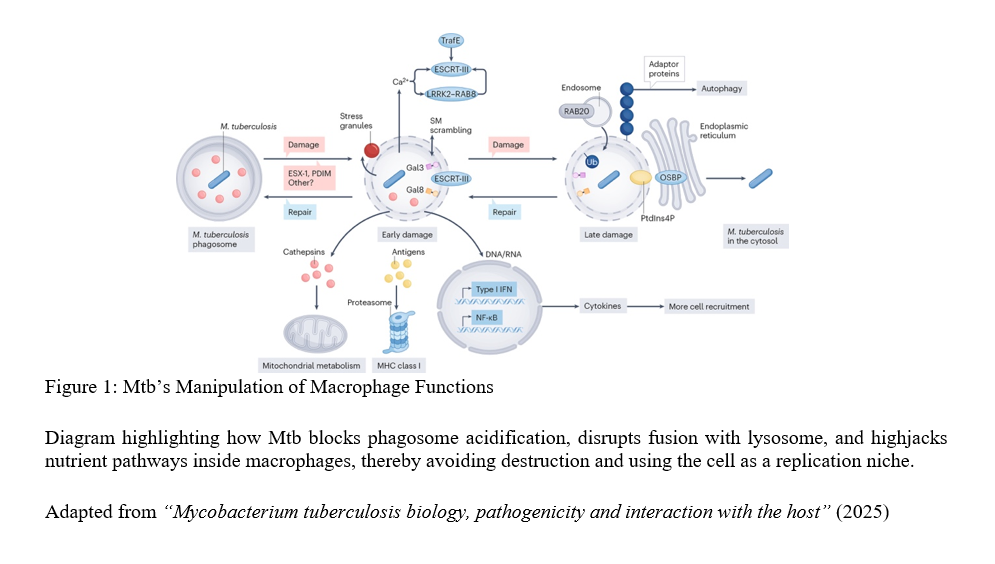
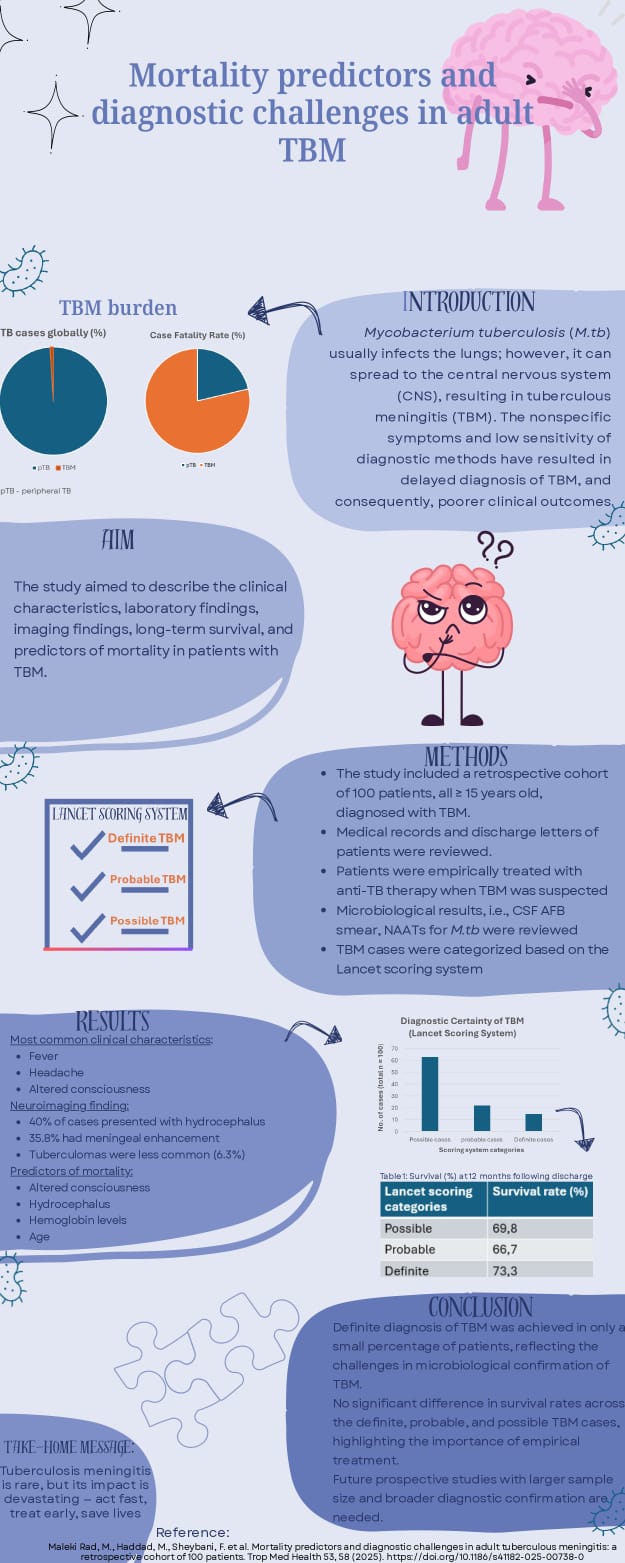
      In this study, researchers from the University of Cape Town, the Ragon Institute, and the Francis Crick Institute set out to answer a vital question: Why does Mycobacterium tuberculosis remain the world’s deadliest bacterial pathogen despite decades of research and treatment efforts? This 2025 review synthesizes over three decades of molecular, cellular, animal, and clinical studies to build a comprehensive understanding of how the tuberculosis bacterium evades and manipulates the human host to survive and spread.

      How Did the Researchers Approach This?

      Rather than generating new experimental data, the authors performed a narrative synthesis. They systematically reviewed hundreds of peer-reviewed articles spanning microbiology, immunology, pathology, and epidemiology. This integrative approach allowed them to connect diverse findings from genetic profiling studies, experimental infection models in mice and non-human primates, detailed analyses of human tissue samples, and comprehensive TB epidemiological data. The review bridges laboratory discoveries with clinical observations to clarify how bacterial biology translates into disease dynamics in real-world human populations.

      Key Findings: A Master of Cellular Sabotage

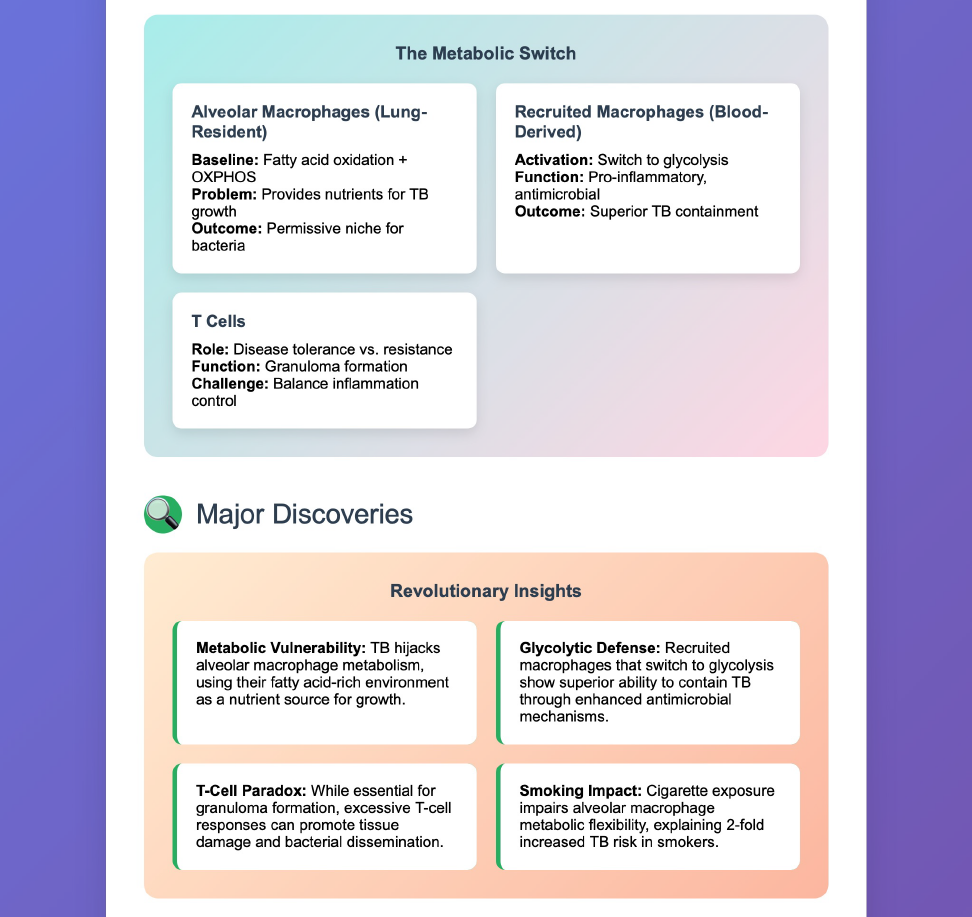
      The review reveals that the tuberculosis bacterium is not a passive survivor—it actively reprograms the very immune cells meant to destroy it. When inhaled, tuberculosis bacteria are engulfed by macrophages, immune cells designed to digest pathogens inside acidic compartments called phagosomes. However, the bacterium employs sophisticated countermeasures: it blocks phagosomal acidification and disrupts phagosome-lysosome fusion, effectively stalling its own degradation The bacterium also hijacks host nutrient pathways, redirecting cellular resources for its survival. Remarkably, some tuberculosis bacteria can escape into the cytosol—the cell’s interior—gaining additional freedom to manipulate host processes.

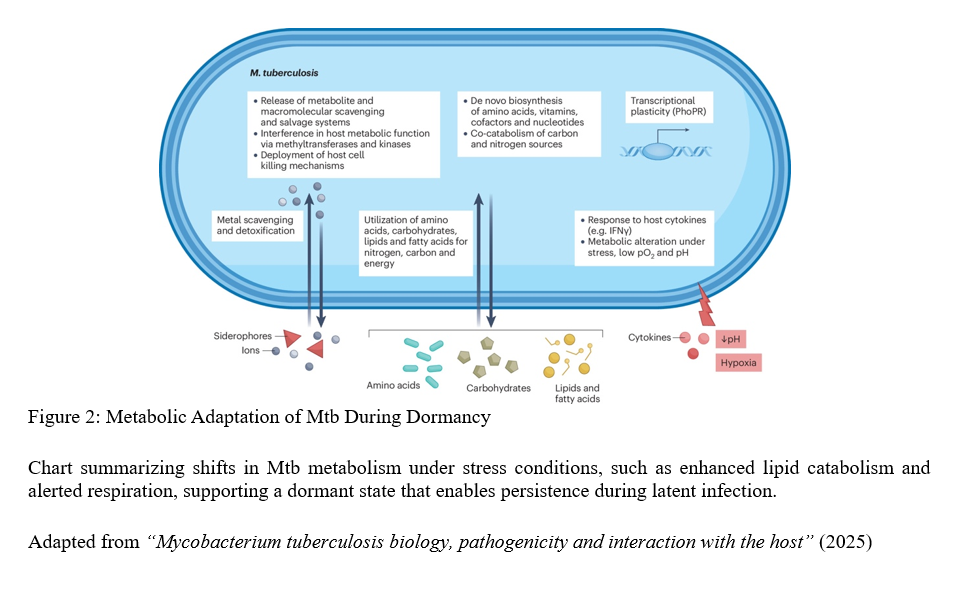
      The tuberculosis bacterium demonstrates metabolic flexibility rarely observed in other bacteria. It can shift between multiple energy sources and slow its growth to enter dormancy states lasting years. This remarkable adaptability underpins latent TB infection, where individuals carry live bacteria without symptoms, creating a hidden reservoir for future disease and transmission.

      The Granuloma: Fortress or Safe Haven?

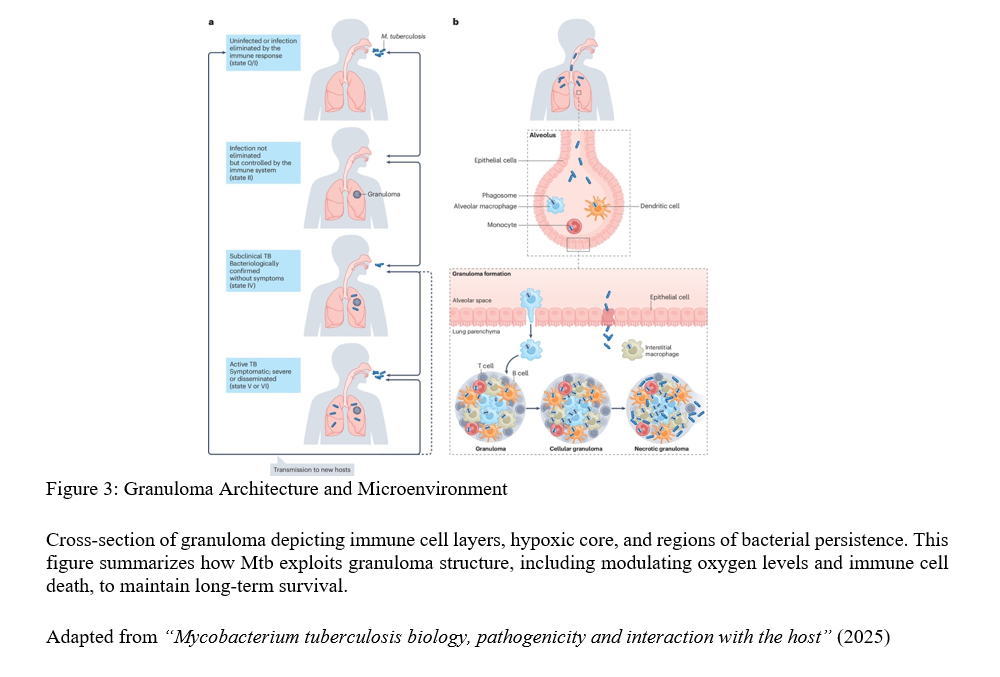
      The battle primarily occurs within granulomas—organized clusters of immune cells designed to contain the tuberculosis bacterium. Rather than static fortresses, granulomas represent complex, dynamic ecosystems where the bacterium manipulates oxygen levels and programs immune cell death pathways to create favourable microenvironments. This constant interplay between bacterial survival strategies and host containment attempts explains why granulomas sometimes fail, resulting in active disease and destructive tissue damage.

      A Silent Epidemic: Asymptomatic TB and Transmission

      Perhaps most concerning is the “silent reservoir” of asymptomatic infections (see figure 3) highlighted by the review. Large-scale prevalence surveys reveal approximately half of TB-positive individuals lack classical symptoms like persistent cough or fever. Despite appearing healthy, many remain capable of transmission, severely complicating global identification and treatment efforts.

      Strengths and Limitations

      The narrative synthesis effectively bridges research silos, connecting molecular insights with clinical and epidemiological realities. However, limitations exist: much mechanistic data derives from animal models that don’t perfectly mirror human TB (at no fault of the authors), human tissue studies face accessibility constraints, and critical gaps remain regarding reactivation triggers—being key unknowns for prevention strategies.

      Personal Interpretation and Implications

      This synthesis reaffirms the tuberculosis bacterium’s extraordinary adaptability, evolved through millennia of human co-evolution into a master of immune evasion rather than aggressive virulence. The bacterium’s ability to manipulate macrophages, survive within granulomas, remain dormant for years, and persist asymptomatically explains TB’s resistance to eradication despite available drugs and vaccines.

      As someone studying infectious diseases, and an upcoming clinician-scientist, this review fundamentally reshapes my understanding of TB latency. It’s not a binary state but a nuanced spectrum involving complex host-pathogen dialogues. It highlights a critical public health challenge: focusing solely on symptomatic cases misses much of the infectious reservoir. Future interventions must integrate improved diagnostics for silent infections, host-directed therapies targeting immune manipulation, and social interventions addressing environmental factors.

      The review underscores that TB research cannot occur in isolation. Breaking the transmission cycle demands integrating laboratory discoveries with clinical observations and epidemiological data—a true “bench to bedside to community” approach that may finally outsmart the bacterium’s sophisticated defences.

      Conclusion: An Ongoing Arms Race

      Nearly 150 years after TB’s discovery, Mycobacterium tuberculosis remains humanity’s most formidable bacterial adversary not through aggressive virulence, but via intricate, highly evolved immune system interactions. This 2025 review emphasizes that defeating TB requires understanding this complex biological dance in all its dimensions. Only with such comprehensive insight can we develop the innovative diagnostics, treatments, and preventive measures needed to finally tip the scales in humanity’s favour.

      Blog based on: “Mycobacterium tuberculosis biology, pathogenicity and interaction with the host,” 2025 review.

      References

      Warner, D.F., Barczak, A.K., Gutierrez, M.G. et al. (2025). Mycobacterium tuberculosis biology, pathogenicity and interaction with the host. Nature Reviews Microbiology. https://doi.org/10.1038/s41579-025-01201-x

    4. By Angela Mutugi


      I am going to say something a little crazy but very true, so brace yourself. I only applied to one university for honours. Shocking, I know! UCT, you were my one and only… truly! It was my greatest risk, my biggest gamble, but it worked out. Yes, I have been critiqued on my decision, and no, I have not tested my luck at the lottery… yet. For the first couple of weeks, I couldn’t believe it panned out. I am living in Cape Town and attending the top-ranked university in Africa. Sorry, not sorry for the humble brag.

      Reflecting on why I applied, I remember my toughest lecturer from my undergrad. She was also the most inspiring for me. She was never shy with her commentary and encouraged risk-taking, within reason.

      But let’s focus back on the present situation. I’m here, halfway through honours, and honestly, it’s a good thing I am an adrenaline junkie cause this year’s rollercoaster of emotions has been intense. I have learnt new and re-learnt old things about myself and how to manage in this environment. It has grown me in my independence and intellect. So now that I am reflecting, if there is one piece of advice I would say everyone should take, it’s feedback. Whether it is from your friends, family, but especially if it’s from your supervisors, take it and apply it. You can question it, see it through different lenses, love it, hate it, but you should accept it.

      In this faculty, I believe we are all looking forward to understanding, creating and sustaining something much bigger than ourselves. We have all walked different paths to get here, and after we may walk different paths to get to where we are going, but in this moment where all our paths have converged, let us learn from each other and encourage one another. Sometimes the best lessons are the ones learnt outside of a classroom. Being surrounded by people striving for their best and wanting the best for those around them means that their words should not just be critical but encouraging.

      So I ask you, please take the feedback. Really understand and apply it. Give some feedback as well. Your words could shift entire perspectives and be exactly what someone needs to hear.

      Please take my advice, but if you find me unreliable because of my ‘risk-taking’ history, take this guy’s advice:
      “Feedback is the compass for greatness; it tells you what to avoid, what to learn, and where to excel.” – Henrik Ceder.

    5. By Angela Mutugi
      Genetic testing is more often viewed as a device to trace your family’s ancestry to know where you came from or if you are secretly a royal, but your genes can help you understand why you’re ready to go to bed at 9 pm, why you sleep in and why you lie awake at night. Your genes guard the code to your ideal sleep-wake cycle, and this could greatly impact your day-to-day productivity and your health in the long term.

      A chronotype is your body’s natural preference in the sleep-wake cycle. It governs whether we are more ‘morning larks’ or ‘night owls’, and this is driven by an internal master clock, the suprachiasmatic nucleus of the brain, stitched together by our genetic code. Though it is important to note that external factors like age, lifestyle, and light exposure can still affect our sleep-wake cycle.

      In this study, three major genome-wide association studies (GWAS) were conducted using data from 23andMe and the UK Biobank. The aim was to review and synthesise findings in this genetic data that investigated the genetic underpinnings of human chronotypes. Our chronotype is a polygenic trait, influenced predominantly by the PER1, PER2, PER3, CRY1, CRY2, CLOCK and BMAL1 genes. These genes regulate the circadian rhythms of nearly every cell, managing sleep timing, hormone release and metabolism, through feedback loops all controlled and synchronised by the suprachiasmatic nucleus.

      The results affirmed the known genes of circadian rhythm and identified novel loci. Nine key genes were further confirmed and associated with specific chronotypes. Variations amongst these genes were noted to affect the longevity of sleep, the onset of melatonin and the length of your circadian rhythm.

      Furthering these studies would benefit the understanding of common and rare genetic variations affecting one’s chronotype and provide greater insight into the foundation of our circadian system. Individual sleep profiles could lead to personalised sleep recommendations, greatly impact the treatment of sleep disorders and optimise work scheduling. There is still more to uncover in this field as studies with conflicting findings regarding gene-specific polymorphism have yielded inconsistent results, suggesting that this complexity will require broader genetic approaches.

    6. By Mrittika Islam

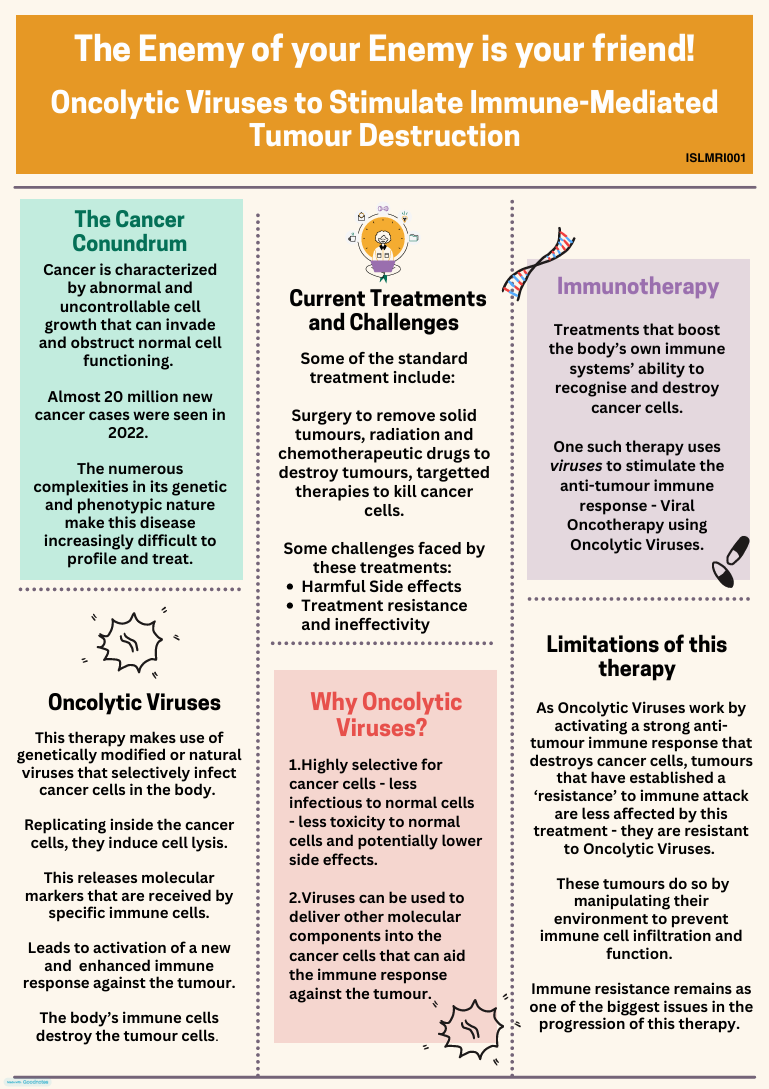
      Cancer remains as one of the most notoriously unyielding diseases mankind has ever had to face, accounting for nearly 10 million deaths in 2022 [1]. Its precise pathological profile is still a topic of rigorous debate; it is becoming increasingly clear that what we do not know about cancer is definitively more than what we do know, and the more headway we make to dismantle this disease, the more obstacles seem to appear.

      Cancer treatment is no exception. The arsenal of tools used to treat cancer include the augmentation of the body’s own anti-tumour immune response, i.e., the ability to recognize and eliminate cancer cells, referred to as cancer immunotherapeutics. One such therapy offers a unique approach to tumour elimination; the use of naturally occurring and/or genetically modified Oncolytic Viruses (OVs). Infecting and replicating inside tumour cells, OVs induce cell lysis which releases tumour molecular markers that prime immune cells, such as T cells, and activate a new and enhanced adaptive immune response against the tumour. This immunotherapy pioneers the use of viral mechanisms to target tumours, i.e., the induction of cellular lysis after sufficient viral replication – a promising strategy using an unconventional instrument.

      The appeal of OVs primarily come from their selectivity; Oncolytic Viruses are genetically engineered to have high selectivity for malignant cells, often exploiting characteristic defects in the tumour’s anti-viral defence system. This therapy therefore minimizes toxicity to normal cells, lowering side effects, while maintaining high tumour lethality – a particularly attractive factor due to the escalation of harmful side effects in the landscape of cancer drugs. In addition to this, OVs can be used to deliver therapeutic payloads to the tumour microenvironment (TME), opening the door to novel mechanisms to supplement or suppress molecular targets to amplify immune infiltration.

      Despite the elegance of this therapy, only a handful of oncolytic viruses have been approved for commercial use, often due to shortfalls in clinical progression. One of the main limitations of viral oncotherapy is the inefficacy against immunologically ‘cold’ tumours, i.e., tumours that have established robust immunosuppression by altering the TME to prevent immune recognition, infiltration and function. As the success of OVs rely on immune efficacy, these immune resistant tumours tend to bypass oncolytic destruction. The popular attempt to overcome this by supplementing the OV-mediated immune response – for example, by delivering immune stimulatory payloads – has proven to be inadequate due to the sturdy and, rather unfortunately, ambiguous mechanisms of immune resistance. There is, therefore, much to uncover regarding this delicate immune manipulation sustaining cold tumours and impeding OV treatment.

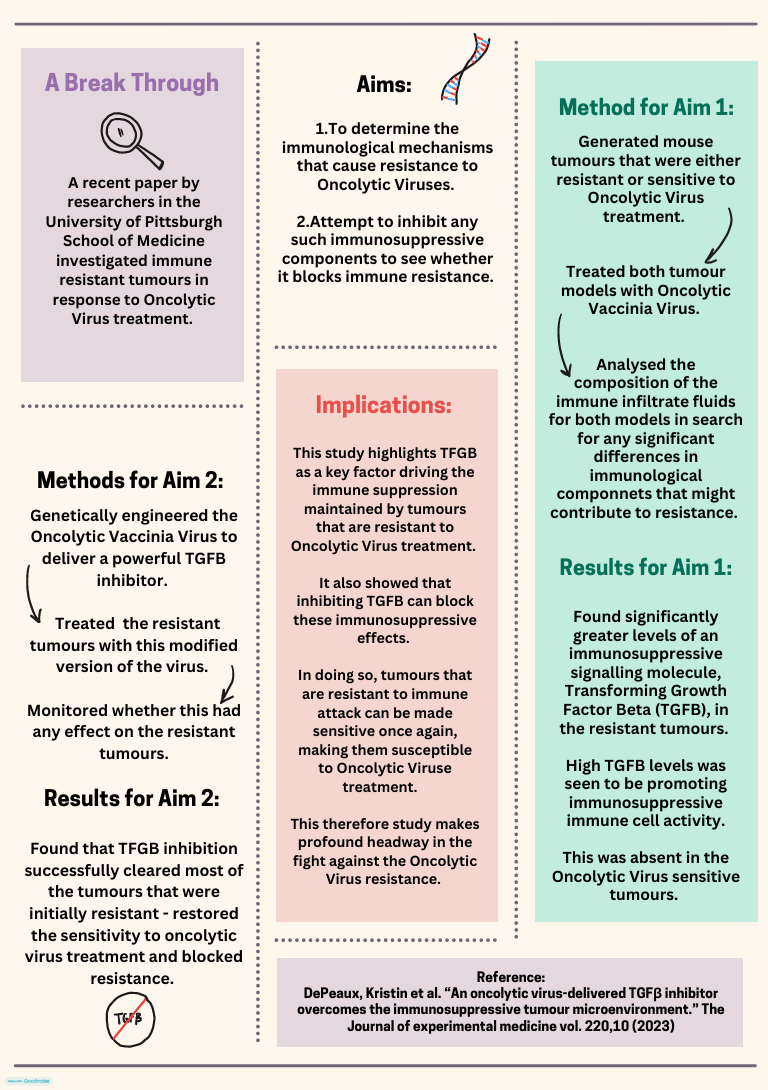
      To this extent, Greg Delgoffe, Ph.D., and his team at the University of Pittsburgh School of Medicine took a new approach to investigating this limitation of viral oncotherapy: focusing on determining and alleviating the mechanisms of immune suppression rather than enhancing the existing immune potency [2]. Briefly, they developed genetically identical pairs of mouse head and neck tumours (MEER) that were either sensitive or resistant/unresponsive to an unmodified form of Oncolytic Vaccinia Virus (VV), and compared the composition of the immune infiltrates in each tumour model. In doing so, they discovered that resistant tumours were characterized by a persistent stability of immunosuppressive T regulatory cells (Treg) in the tumour microenvironment, which was absent in the OV sensitive forms. This was further deduced to be caused by elevated levels of a potent immune inhibitory signalling molecule, Transforming Growth Factor β (TGFβ), in the TME, suggesting that TGFβ plays a direct role in OV resistance. This highlighted an important mechanism of OV resistance – the oncogenic elevation of specific immunoregulatory components to maintain an immunosuppressive TME thereby diminishing the OV mediated immune enhancement.

      This discovery provided a new therapeutic target for combating OV resistance: TGFβ. To investigate this, they then genetically engineered the VV to deliver a powerful TGFβ inhibitor. This was met with encouraging results: upon OV treatment, TGFβ inhibition led to significant reduction in the MEER tumours that were initially resistant to the therapy, thus restoring susceptibility to OV. Importantly, oncoviral TGFβ inhibition did not appear to affect non-malignant TGFβ that functions in normal cells. This strategy therefore not only targets oncogenic TGFβ to relieve tumour mediated immunosuppression, but also does so with no notable effect on normal TGFβ functioning.

      This study provides new insights into the immunoregulatory mechanism used by cancer cells to curate OV resistance, uncovering a fundamental component – TGFβ – driving this oncogenic phenomenon. Dr Delgoffe and his team further demonstrated the profound effects of TGFβ inhibition in mitigating oncogenic immune suppression and improving OV efficacy. This new take on a familiar battle in the development of cancer therapeutics – i.e., resistance – provides exciting opportunities to deliver therapeutic payloads to dismantle the components sustaining resistance, thus strengthening treatment potency. TGFβ may very well be one amongst a plethora of immunosuppressive components contributing to OV resistance and this study provides a promising vehicle and strategy for their effective neutralisation.

      It is worth noting once again that the use of viruses to treat cancer serves as an interesting scientific unorthodox. Even so, with the recent advancements in modern biotechnology and our understanding of cancer biology and virology, the potential of viral oncotherapy seems indefinite. Research on oncolytic viruses as an immunotherapy has come impressively far but still has further to go. This is just the beginning.


      References

      1. Cancer (IARC), The International Agency for Research on Cancer. Global Cancer Observatory. https://gco.iarc.fr/ (2022)
      2. DePeaux, Kristin et al. “An oncolytic virus-delivered TGFβ inhibitor overcomes the immunosuppressive tumour microenvironment.” The Journal of Experimental Medicine vol. 220,10 (2023).
    7. By Moleboheng Moipatli
      Newness! I am one individual who gravitates towards change. It brims with so much hope and possibility. Change invites us into the unknown, and while it may bring some challenges, I’ve found that those challenges often become the breeding ground for growth and greatness. So, when I began this year at a new institution, in a new environment, with new opportunities to learn, I was filled with excitement. I could not wait for the classes to begin, and when we finally received an email announcing the eventual commencement of classes, I thought to myself: “Finally! The new has begun.”
      The first term was a period of discovery. I especially enjoyed the General Techniques course; every class felt like an opportunity to sharpen my skills and expand my knowledge (I really like learning new things, especially in biological sciences). But having to navigate through everything wasn’t a walk in the park. For example, making friends was not as straightforward, but because I’ve always been a bit of a loner, at first it didn’t bother me. Yet as the term progressed, the fast-paced teaching and the generalization that we all came from similar undergraduate backgrounds made me feel out of place. That was my first encounter with imposter syndrome. Strangely, what helped was realizing I wasn’t
      alone (we are never really alone). Conversations with my classmates who shared my background reminded me that many of us were experiencing the same insecurities. That realization was liberating. It also taught me to speak out more and not hide my struggles (there’s no shame in struggling).
      I found the second term both epic and demanding. Looking back, I see how much I have grown as a young scientist. I have especially gained more confidence and acquired valuable knowledge and experience through the four module cycles our stream offered. Knowledge truly is power! I believe the cycles helped me discover my voice as a scientist.
      I connected with very interesting and intelligent people…there’s hope for the future. I also noticed the support from the staff as another factor that contributed to my positive experience in my studies. One of the highlights was learning about the biology of cancer. The disease’s complexity fascinated me, but it also left me quite frustrated. After seeing the challenges researchers face, I can honestly say that cancer research and I are not a perfect match; in other words, I AM BEEFING WITH CANCER. Maybe I will join the fight in the near future, but for now, I will keep cheering for those who continue to battle that disease.
      As I now reflect, I can see that even new things come with mountains that we must surmount. However, I have come to learn that embracing the community around you and accepting the help that is offered is imperative to overcoming even the toughest challenges (two is better than one, three is even better!). My advice? Don’t wing it alone; there really is beauty and power in community, and getting to the top requires stepping out of your comfort zone while working with others. Moreover, I have learnt that blessings also come with sacrifices and hard choices. If I were to repeat my Honours year, I would only wish to undo the mistakes I made. But I am learning to be kind to myself, after all, I have not walked this path before, and mistakes are part of the journey. This Honours year taught me that growth is rarely comfortable, but it is always worthwhile. And as I move forward, not sure what my future holds, I do so with gratitude and a renewed sense of purpose for the next chapter of my career.

    8. By Moleboheng Moipatli

      We are all aware that a plethora of microorganisms reside in our stomachs. That is what is referred to as the gut microbiome. Well, if you are like me and you’ve never thought to question the origin of some of the skin-related disorders or diseases, then you are in for quite a surprise!

      Have you ever wondered what causes the buildup of dandruff, an itchy and inflamed scalp? Well, it turns out we have bacteria and fungi naturally living on our scalps too! According to previous research, the human scalp accommodates diverse bacteria and fungi that influence both healthy and diseased scalps. Fungi have been reported to cause dandruff by activating specific proteins that break down oil produced by the scalp, and certain bacteria play a role in consuming the oil (fatty acids) to avoid accumulation that can eventually lead to irritation and inflammation, which are symptoms of seborrhoeic dermatitis.

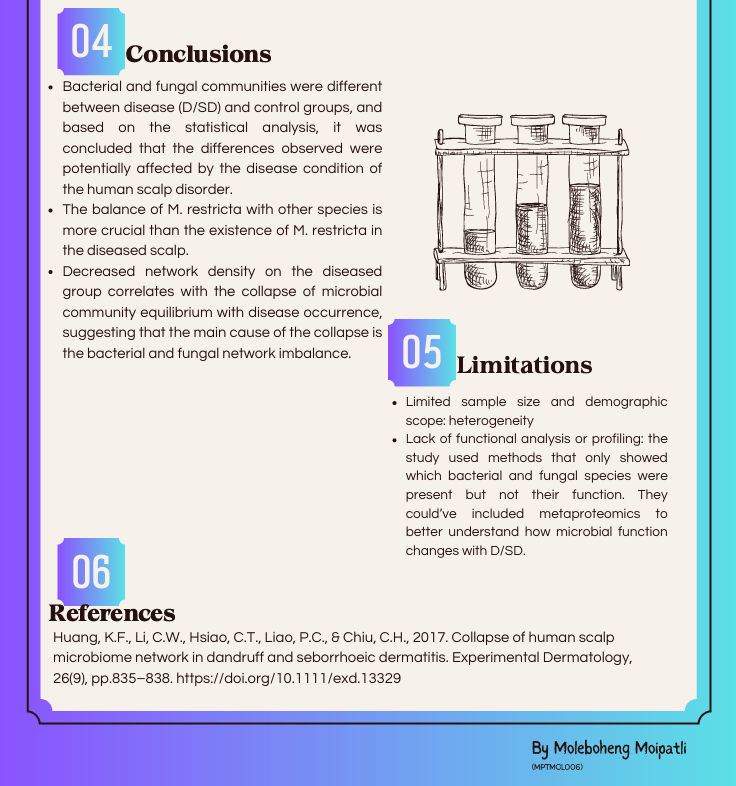
      Although the regular microbial communities there are complicated, little was known about the bacteria that reside on the human scalp. So, the researchers from Soochow University and other universities in China set out to test a theory that stated that skin problems might be caused by the collapse of a healthy microbiome, for example a drop in the variety of microbes and too much growth of some microbes. In the quest to test the hypothesis/claim, the researchers asked themselves two questions: i) Is there any difference between people with diseased scalps and normal scalps when looking at the structure and diversity of their microbial community? And ii) Is the bacterial and fungal harmony (network) disrupted?

      To help answer these questions, the researchers combined different scientific methods that included taking samples from volunteers who were categorized into two groups: those with normal scalps and those with diseased scalps (subclassed to dandruff and seborrheic dermatitis). The samples were studied using a sophisticated DNA sequencing technique known as Illumina MiSeq Sequencing and other bioinformatics tools to investigate the bacterial and fungal microbial communities on scalps associated with D/SD and the relationship and differences between the scalp microbiomes in normal and diseased groups.

      Their results showed that an increase in the diseased group (with dandruff and seborrhoeic dermatitis), the abundance of Staphylococcus was high as compared to the abundance/presence of other bacteria, such as Propionibacterium. They also showed that a type of fungi called Malassezia restrica was more abundant as compared to a different type of the Malassezia species, suggesting that these differences in the relative abundance of the microbial population may contribute to disease symptoms.

    9. By Abi Milella
      This reflective writing piece is supposed to be on my experience in honours so far and while I will get to that, I feel it’s only right for me to explain how I got here with the hopes of offering comfort to those who still have no idea where they’re going.

      It’s 2021 and university applications are due in a week and I have 0 idea of what I want to do. The Covid-19 pandemic showed me that I definitely did not want to be a doctor and now I was stuck, I’d been so sure that I wanted to follow in my moms footsteps that I hadn’t even considered a back up plan… A bachelor of Science seemed to be the most logical pivot from doctor to unknown and all that was left to do was choose my majors. I immediately found Human Anatomy and Physiology (HUB) and clicked “yes” and then had one last decision to make – major number 2. At this point the decision fatigue hit hard and I was far less enthusiastic about the whole application process and just wanted it to be over and done with so when my eyes skimmed over the major options again, they landed on the major with the acronym “GEN” which in my exhausted state, was interpreted as “general” and I figured “sure, that’s probably ideal for someone who’s not too sure about what they want to do.” right? Fast forward through my acceptance and campus tour to my first meeting with a student advisor who informed me that I had in fact signed up for genetics with a knock-on effect of changing HUB to Biochemistry as it was more synchronous with the Genetics content which had suddenly piqued my interest. I am forever grateful for that Student Advisor (whose name I cannot remember…) because it was the Biochemistry syllabus in second semester of my final year of my undergrad that showed me where I wanted to go (after 2 and a half years of not knowing and experiencing an increasing number of freak outs). Luckily for me this coincided with honours application deadlines and after falling in love with immunology, the MedSci Hons Infectious Diseases and Immunology was my one and only choice! The waiting and wondering period was possibly one of the most uncomfortable periods of my life and I caught myself regretting getting my hopes up, kicking myself for not investigating other routes better until I received my acceptance and I was absolutely elated!


      Although I had no idea what an honours year could look like, there was nothing that could bring me down from my cloud 9. The honours students of 2024 put in a good effort though… from day 1, all I heard was “congratulations, this is so exciting, this is going to be the worst year of your life”… not exactly comforting words to be hearing at the start of an unknown journey. But I figured, whatever, they’re probably trying to scare us straight and I made it about half way through the first semester before I started to see how right they were. Deadline after deadline, 3 hour long lectures, project selection and ethics applications, field trips, exams covering 600 slides…. It all felt like it was too much to handle and to be honest it was but you learn quickly that honours will show you how resilient you are and how much you can handle. To future MedSci honours students – this year will suck but you will prevail, I promise!


      Moving into the second semester, I am incredibly excited! No more lectures or exams and an exciting project ahead! My project selection process mimicked that of every other important choice that I have already mentioned – I rushed ahead and tunneled vision without stopping to consider the other options. I was swayed by a 2024 honours/2025 Msc student who whispered sweet nothings to me about the project running in her lab and I latched onto it and wished for it to be mine with all my heart.

      The night before project selections were due, I sat on my computer and considered how sure I was that this project was the “one”. Earlier that day, another masters student had painted a far more real picture of what that project would look like and I realised that it was not what i was interested in and so I sat until 2am watching the videos that each supervisor had made with such care (for the first time) and made a complete 180 on my project selection choice. I was awarded my first choice and as I sit in my lab office, I couldn’t be more excited for what’s to come, not only for the rest of the year but for the next chapter of my life. I have discovered a newfound interest, the human gut microbiome, and am extremely privileged to be working under experts in the field who feed my fascination daily!


      If there’s one thing this rollercoaster of a journey has taught me, it’s that things really do have a way of working out, even if the path looks nothing like what you expected. From clicking on “GEN” by mistake to late-night decision-making and second guesses, every twist led me exactly where I needed to be. Honours has challenged me in ways I never imagined, but it’s also shown me the power of resilience, the importance of trusting my gut (pun intended), and the value of keeping an open mind. So to anyone who feels lost or uncertain, know that it’s okay not to have it all figured out. Just take the next step, stay curious, and believe in your ability to adapt. Sometimes, the best decisions are the ones you never meant to make.

    10. By Abi Milella

      The gut microbiome was once seen as a mysterious and untouchable ecosystem but it is now being increasingly recognised as a central player in nearly all aspects of human health. It influences everything from digestion and immunity to mental well-being and chronic disease. Understanding and harnessing the gut microbiome could transform how we treat and prevent disease.


      The human gut consists of trillions of bacterial cells that all coexist as a peaceful and balanced community that benefits us as their host – these are the good bugs and we need them. Any disruption in this balance leads to gut chaos and crappy consequences… The gut’s oxygen-free environment, its complexity and limited accessibility make it extremely challenging to treat disorders and identify the key microbes. Current treatments leave much to be desired. Probiotics are only as effective as the number of cultures that actually reach the gut, which is difficult to control, and the success of the establishment of colonies is even more uncertain. Fecal Microbiota Transplants are as gruesome as they sound involving the direct transplantation of human fecal matter from a healthy individual to an individual with an unhealthy gut microbiome – yikes. While often successful, they carry risks, and the difficulty of managing all variables is pushing scientists to develop more controlled treatments.


      Enter: Synthetic Microbial Communities – a hand-picked collection of microbes designed in the lab to mimic the functions of a natural microbiome. Much like coaches picking their best players to win a game, scientists build “teams” of bacteria that work together to study gut functions or treat gut disorders. I like to imagine scientists designing SynComs the way I used to play with Barbies, mixing and matching to see which bacteria work well together and which don’t.


      SynComs have many cool uses and are fast becoming the go-to tools for studying gut functions. In medicine, they are being tested to treat gut infections, inflammatory bowel disease and even metabolic issues. In research, SynComs are being used in germ-free mice (devoid of all microorganisms) to study gut functions, immunity, and how drugs (such as antibiotics), diet and nasty bugs affect the microbiome. The future of SynComs is bright and heading towards personalised designs and compositions that are tailored to individual microbiomes or for specific diseases. I can picture it now, soon we’ll be picking bacteria from a menu, just like at brunch, to build-a-gut that suits us perfectly! Synthetic Microbial Communities (SynComs) offer an exciting, controllable and adaptable alternative to traditional gut treatments. By carefully selecting and combining bacterial strains with specific beneficial functions, scientists are essentially engineering “dream teams” of microbes to improve gut health. The idea of “build-a-gut” might sound silly now, but it represents the beginning of the journey of SynComs and their role in shaping the future of gastrointestinal medicine.

    11. by Israel Oyebade

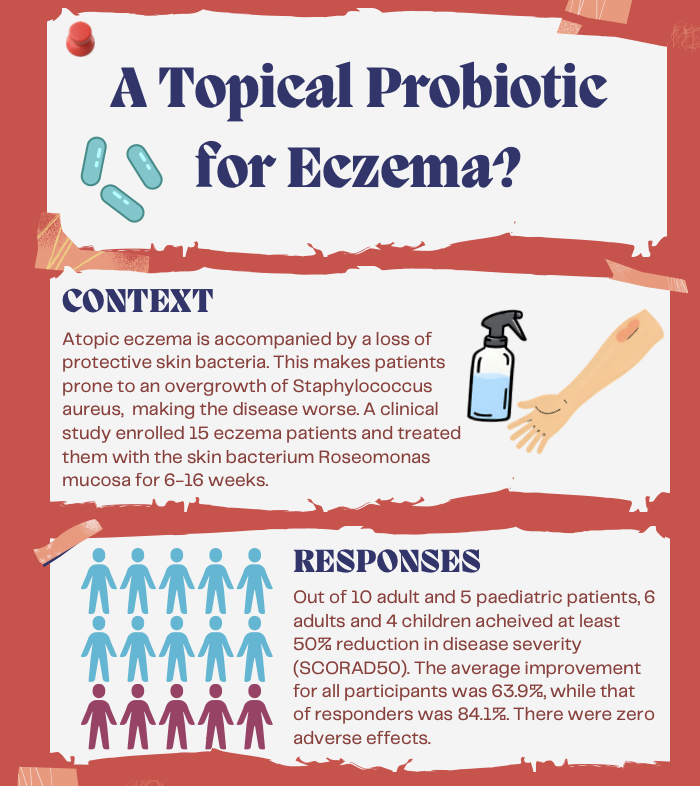
      Researchers at the National Institute of Allergy and Infectious Diseases (NIAID) in the United States have shown that topical treatment with a skin bacterium could offer lasting relief for patients with atopic eczema (AE). The group tested the efficacy of topical application of Roseomonas mucosa, a member of the normal skin microbiota, in AE patients and found that it reduced their disease severity, topical steroid requirement, and overgrowth of Staphylococcus aureus, a problematic bacterium in these patients. 

      Atopic eczema (also atopic dermatitis) is a chronic allergic disease of the skin marked by dryness, crusting, inflammation and itchiness. It affects about 2-3% of adults and up to 15-20% of children globally. It is caused by an interplay between poor skin barrier function, infectious or environmental agents, and immune dysregulation. It has no cure, but treatments include steroids, moisturizers and other topical drugs such as calcineurin inhibitors. These treatments, however, require daily application and lead to significant costs on affected families. 

      “All of the available therapies really just address the host side of the equation”, says Dr. Ian Myles, a coauthor of the study. “So, what we really wanted to ask was whether manipulating the microbiome might provide benefit to patients, and what kind of environmental factors might contribute to this bacterial imbalance”.  

      The microbial communities on various body surfaces – the microbiota – are ideally composed of beneficial microbes which promote optimal functioning of body systems. These communities may be disrupted, allowing the establishment of more pathogenic ones that promote inflammation and increase disease susceptibility, a state termed dysbiosis. The profound influence that these microorganisms have on host physiology has led to the development of interventions, such as probiotics, that are aimed at restoring the beneficial microbes. 

      “We were able to identify a species of bacteria, Roseomonas mucosa, which in cell cultures and in mouse models was able to kill Staph aureus, which is a bacterium known to exacerbate the disease, and fix some of the immune imbalances that would be associated with atopic dermatitis”, Myles says. 

      In an open-label, phase 1 clinical trial, 10 adult and 5 paediatric AE patients were enrolled.  The patients’ overall disease severity, as well as that of the antecubital region, the spot in front of the elbow where treatment would be administered, was measured and assigned a SCORAD value. A predetermined number of live R. mucosa cells suspended in sucrose solution was self-administered by the patients twice weekly. 

      This course lasted 6 weeks for the adults, followed by a 4-week washout period. For the younger participants, it continued for 12 weeks, followed by treatment every second day from weeks 13-16. The paediatric group’s washout period was 8 months. During the treatment course, all patients were to continue taking their usual eczema treatments as well. However, by the end of the washout period, the steroid-sparing effects of R. mucosa were evident. 

      Treatment was associated with significant reduction in intensity, regional itchiness and antecubital-specific SCORAD. Some patients also experienced responses outside the antecubital region, since they could treat an additional area of their choice. However, treatment of the hands was not associated with clinical benefit, even in patients with antecubital improvement. The authors suggest that this could be due to environmental exposures on the hands that promote dysbiosis, such as increased contact with topical antimicrobials. In addition, no patients had adverse reactions. 

      Previous clinical studies on eczema had noted placebo effects of up to 30%, leading to agreement that only improvements greater than 50% were statistically suggestive of treatment activity. In this study, 10 of the combined 15 patients reached this threshold, for regional or total SCORAD. All the adult patients who appeared responsive to treatment reported sustained or even additional improvement after the washout phase. The washout phase for the paediatric group is ongoing. 

      “Then we went from the microbiome and started to look at some of the environmental factors that might create this imbalance in your skin bacteria”, said Dr. Myles. “And we found that certain preservatives that can be found in lotions and creams and soaps, even some of the things that you might use to treat atopic dermatitis actually killed the healthy strains of Roseomonas, while allowing for the growth of disease-associated strains and Staph aureus”. 

      The group grew bacteria on disks impregnated with substances like parabens, which the patients may be exposed to. Some of these substances inhibited the growth of healthy R. mucosa strains more than S. aureus. However, the authors cautioned that more studies are needed to clarify the exposures that promote the dysbiosis linked to eczema, and that no causal link between the tested substances and eczema symptoms, or even dysbiosis, can be inferred from their results. 

      In their preclinical study, Myles and colleagues had shown in cell models that healthy strains of R. mucosa improved barrier function, innate immune activation, and through lipid secretions, inhibited S. aureus. They also found that it improved outcomes in a mouse model of atopic eczema. The group believes that the bacterium may be providing benefit through various mechanisms that target epithelium function, immune balance, and S. aureus growth. 

      The research group’s probe into benefits of this bacterium is one of many efforts to understand how the microbiome can be harnessed for human health. While Myles’ group and others are interested in developing microbiota-based therapeutics, the benefits of the microbiome also extend to diagnostics and the prevention of disease. It is surprising that our bodies do not just consist of us, but are ecosystems themselves, with relationships that may be quite useful. 

      “Although these early results are promising, we’re going to need a large-scale, placebo-controlled trial to really establish this therapy” 

      “The major appeal of this is that its going to be inexpensive, because you can literally grow the drug. But one of the other things that would be exciting is if you could colonize the patient”, Myles said.  “If we are able to set up colonization, what that could mean is that by intervening early, you could spare the patient years of daily therapy.”  

      References

      Ian A. Myles, et al. (2018). First-in-human topical microbiome transplantation with Roseomonas mucosa for atopic dermatitis. JCI Insight, 1-13.

      Ian A. Myles, et al. (2016). Transplantation of human skin microbiota in models of atopic dermatitis. JCI Insight, 1-10.

    12. By Anna Butler

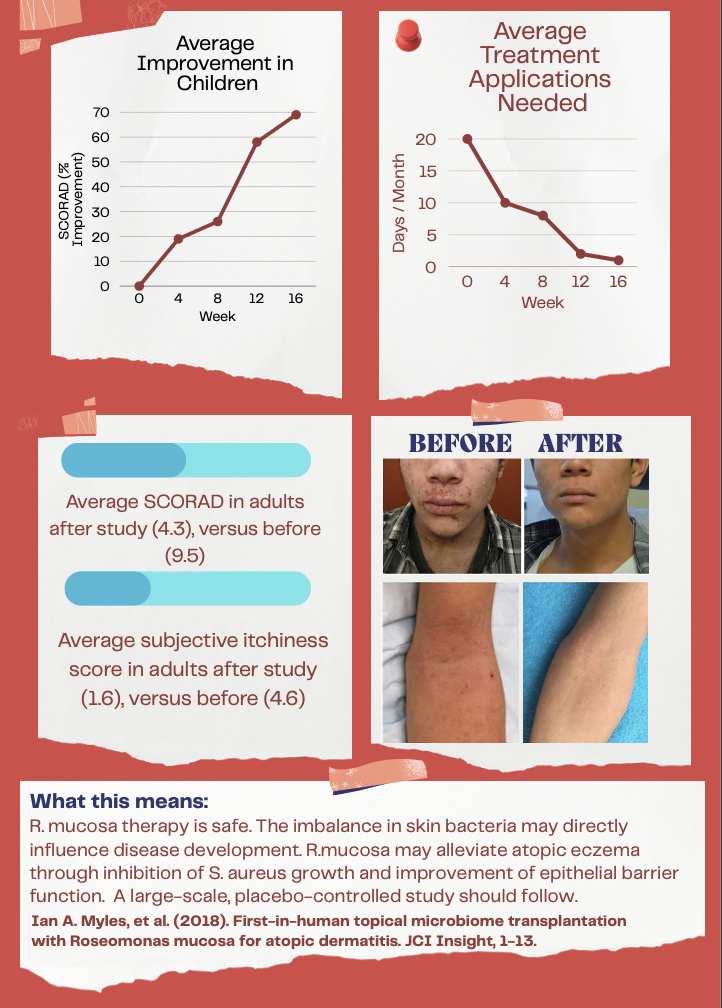
      Parenting small children is hard enough – chickenpox, tantrums and stepping on lego in the middle of the night! Now imagine a real curveball: your child suddenly develops epileptic seizures. You’ve seen all the doctors and tried every medication, but nothing seems to work. Being in and out of the hospital affects your quality of life, and you’re unsure how to manage it. On top of this, your child appears to have developmental delays, and you’re not sure if these are related to the seizures or not.

      This is a real experience faced by families of children affected by developmental and epileptic encephalopathies (DEE), a group of epilepsy disorders characterised by medication-resistant seizures starting in early and childhood as well as developmental deficits.

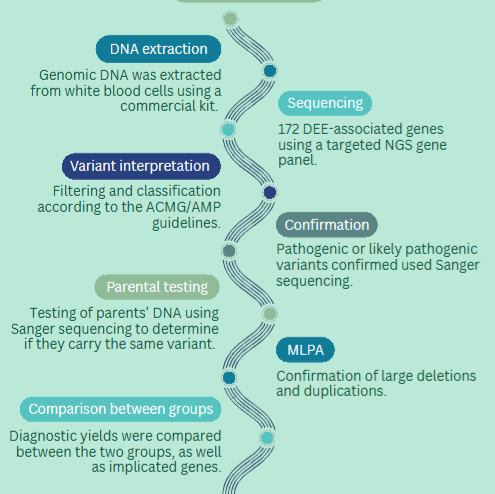
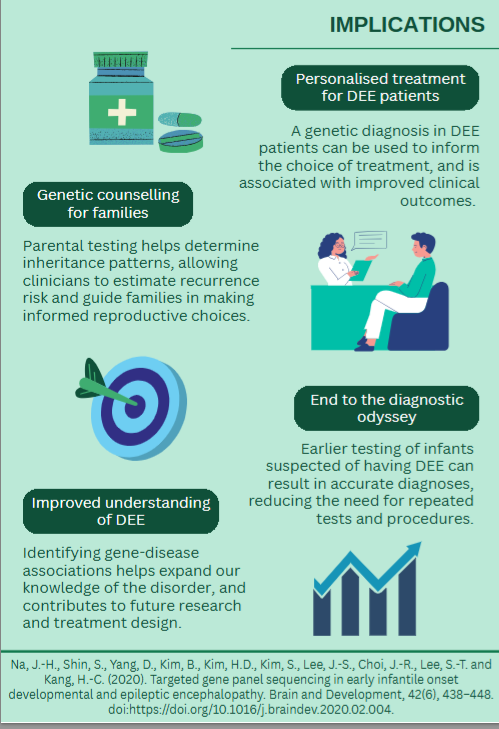
      Genetic testing DEE patients has revolutionised management of these disorders. It allows for a genetic diagnosis to be made, meaning that doctors can focus on treating the underlying problem rather than symptoms alone. While much research has explored the clinical benefit of genetic testing, less is known about its emotional impact on parents.

      To address this gap, a multidisciplinary research team from the University of New South Wales conducted the first study looking into psychosocial effects of genetic testing in DEE. They recruited 25 parents of children who had undergone genetic testing for DEE. Methods included semi-structured interviews and two questionnaires: the Quality-of-Life Scale (family version) (QoL-FV) and the Genetic Counselling Satisfaction Scale (GCSS). The interview results were analysed for emerging themes which were compared with the survey findings to gain a fuller picture of parents’ experiences.

      The study revealed that parents valued compassionate genetic counselling, and that it contributed to increased hope and processing of the diagnosis. However, they also reported significant stress after receiving results, largely due to feelings of uncertainty about their child’s future and lack of diagnosis-specific resources. Many of the parents felt isolated initially but indicated that participating in peer support groups and connecting with other families helped to adapt to the diagnosis.

      This study highlights that genetic testing is more than just a medical process – it is an emotional journey for families. While a genetic diagnosis can bring long-awaited answers and relief from uncertainty, it can also create new stresses and unanswered questions. Ongoing genetic counselling, paired with clear and accessible information, can help families process the diagnosis and plan for the future. Just as importantly, connecting with others who share similar experiences provides comfort and reduces the sense of isolation many parents feel.

      Reference:

      Nevin, S.M., Wakefield, C.E., Barlow‐Stewart, K., McGill, B.C., Bye, A., Palmer, E.E., Dale, R.C., Gill, D., Kothur, K., Boggs, K., Le Marne, F., Beavis, E., Macintosh, R. and Sachdev, R. (2021). Psychosocial impact of genetic testing on parents of children with developmental and epileptic encephalopathy. Developmental Medicine & Child Neurology, 64(1), 95–104. doi:https://doi.org/10.1111/dmcn.14971.

    13. By Karabo Tisane

      My honours year has been a fluctuating learning curve. Just when I thought I had conquered a moment of confusion, another layer of complexity revealed itself. If this year has taught me anything, it’s that learning is rarely linear, learning is an ever-evolving process that requires humility, persistence and willingness to embrace not knowing. I have learned that asking questions is not a weakness but a necessary step in developing true understanding.


      The modular structure of the honours programme exposed me to a broad spectrum of topics, from the intricacies of gene expression in Hox genes to the futuristic realities of organ engineering. It felt like a roller coaster of abstract, yet feasible scientific concepts. And yet the most rewarding part was realising that these concepts were not isolated. There was always a connection between them. Recognising those connections became a personal highlight. The ability to link knowledge across disciplines made me appreciate not just the content but how science itself is beautifully interconnected.


      On of the steepest challenges I faced this year was the academic writing process. No one prepared me for how isolating it can feel to sit with mountains of literature and synthesise it into something original. The discipline, time management and internal motivation required to complete a writing assignment have stretched me in ways I did not expect. Most of all I have come out the other end with a powerful new skill, the ability to communicate complex science concepts with clarity and confidence.


      Of course, honours has not only been about reading and writing. One of the most exciting aspects of this year was stepping into the lab. Being trusted with a meaningful, hands-on research task was daunting but mostly thrilling. After years of reading dry method sections in scientific papers I finally got to do some of the techniques myself. Learning how to perform real laboratory procedures transformed my understanding of experimental science from abstract to
      tangible. An experience I will forever cherish.


      In the end. Honours has been rigorous, demanding and at times overwhelming, but above all its been deeply rewarding. Every fall, every moment of doubt or confusion was part of a bigger learning pathway. I have come to see those moments not as setbacks but as necessary steps in becoming more reflective, capable and resilient scientist. Honours did not just teach me about melatonin, genetics or lab protocols, it taught me how to learn. And that is a skill I will carry forward, long after the year is over.

    14. By Karabo Tisane

      Melatonin is a hormone primarily produced by the pineal gland in the brain (1). Its secretion is stimulated by darkness, and its maximal circulating peak concentration is typically observed between 2-4am. This rhythmic endogenous secretion is regulated by the suprachiasmatic nuclei which form part of the brain’s internal clock that is sensitive to light and dark cues. Melatonin therefore plays a central role in stabilising and strengthening the circadian rhythms which are natural internal processes that regulate the sleep-wake cycle.

      Due to melatonin being mainly secreted at night it is known as the sleep hormone. People with various sleep disorders and mood disorders have dysfunction in melatonin physiology. As a result, synthetic melatonin is prescribed for insomnia, and it is commonly used to treat jet lag. However, the role of melatonin extends far beyond regulating sleep.

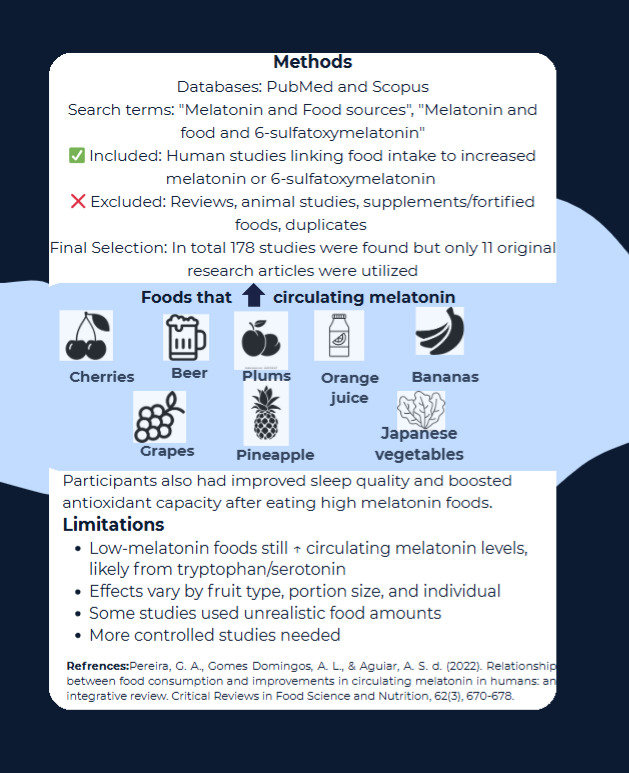
      To better understand these broader functions, several review articles were consulted. The authors compiled original papers from PubMed and Scopus databases, and key words like “melatonin”, “Mediterranean diet”, “Antioxidant food”, just to name a few were used to come up with papers to review. A reverse search through the reference lists of relevant articles was also used to ensure comprehensive coverage of the topic. The collective findings from these reviews offered a more expansive understanding of melatonin’s role in human health.

      One of melatonin’s most remarkable properties is its potent antioxidant power which is significantly more potent than Vitamin E at neutralising harmful reactive oxygen species. The antioxidant properties of melatonin contribute to a wide range of health benefits, including protection of the heart and brain, slowing cellular ageing, and reducing damage after injury in multiple organs. Melatonin is effective in reducing early cognitive decline and has anti-ageing capabilities as well as immune modulatory effects due to its ability to enter cells.

      Melatonin plays a role in glucose metabolism through modulation of the glucose transporters, helping the body to absorb glucose after meals. This contributes to improved glucose tolerance, reduced risk of obesity and diabetes. On the other hand, melatonin inhibits glucose transporters 2 which are found in cancer cells and are responsible for supporting tumour growth. The potential anticancer effects of melatonin surely can’t be ignored, highlighting the importance of understanding its natural sources and how we can harness them.

      Figure 1: Functions of melatonin in the body.

      And here’s something you might not know, melatonin is also found in food (2). That means you may be able to enjoy its benefits without reaching for a supplement. Foods rich in melatonin include nuts, milk, fish grapes, wine and tropical fruits which are all able to raise serum melatonin levels and enhance antioxidant activity in the body.

      Figure 2. Increased serum melatonin levels 120 minutes after consumption of tropical fruits (3)

      While melatonin is best known for helping us sleep, it is increasingly recognised as a multifunctional hormone with important roles in metabolism, cell protection, and even cancer biology. As research continues, we may uncover even more reasons to appreciate this nighttime hormone both in the lab and on our plates. Future studies may help clarify how dietary melatonin contributes to health and how individual factors influence its effectiveness and optimal intake. Fuel the Boss in You, One Melatonin Bite at a Time.

      References

      1. Munoz-Jurado A, Escribano BM. Presence of melatonin in foods of daily consumption:The benefit of this hormone for health. Food Chemistry. 2024;458:140172.2.
      2. Pereira GA, Gomes Domingos AL, Aguiar ASd. Relationship between food consumptionand improvements in circulating melatonin in humans: an integrative review. Critical Reviews inFood Science and Nutrition. 2022;62(3):670-8.3.
      3. Sae-Teaw M, Johns J, Johns NP, Subongkot S. Serum melatonin levels and antioxidantcapacities after consumption of pineapple, orange, or banana by healthy male volunteers.Journal of pineal research. 2013;55(1):58-64.
    15. By Anela Cengani

      I have never thought I would do research in my entire life, until this year. From high
      school to my final year of my first degree, I always thought research was demanding, the
      thought of having to read papers, endless writing, and studying that does not stop
      always made me think I would hate it. You may ask, why did I then apply for honours if I
      felt this way? Well, I thought I should give it a try, challenge myself, and not box myself
      in. I did not want to close oƯ a path that I had never even walked.


      This year has opened my eyes into a new world that I never thought I would be part of, a
      world so demanding, yet necessary, a world that seems small, yet so big. And
      surprisingly, I have fallen in love with it.


      In high school, I loved maths so much because, no matter how complex a problem
      seemed, there was always an answer to it; the process of struggling through it, trying
      again and again, and finally getting it would bring me immeasurable joy. How does this
      relate to research? Research is a world of problem-solving, where at the start, it may
      seem like there is no answer to a question, but deep down, you know there is always an
      answer to everything. There is fear combined with excitement, because what if I do find
      the answer?


      It may sound like I instantly fell in love with research; however, my honours journey
      started with uncertainty, fear, and self-doubt, questioning whether this is what I’m
      supposed to do, and whether I will be capable of seeing it through.


      “What have I gotten myself into?” I would always ask. But I kept going. Having friends to
      lean on pushed me forward. Sharing struggles with friends would always remind me
      that I’m not alone in this. Having support forced me to keep moving, keep showing up
      for class, and always try to do my best.


      I would not trade this experience for anything.

    16. By Anela Cengani

      Image source: Major Depressive Disorder (MDD) in Young Adults, Eli’s place.

      What is major depressive disorder (MDD)?
      As humans, we all have our days, the good, bad, and somewhere in between. Normally, our negative emotions pass with time. However, for those suffering from MDD, low moods linger for at least two weeks.


      The case that made researchers rethink depression
      In 1999, a fascinating case of a 65-year-old woman with advanced Parkinson’s disease (PD) raised an important question: Is depression a brain disease with psychiatric symptoms? During deep-brain stimulation for her PD treatment, stimulation of the left substantia nigra unexpectedly caused the patient to cry, voicing feelings of sadness, guilt, hopelessness, and low self-worth, showing MDD symptoms.

      Interestingly, the depressive symptoms vanished ninety seconds after stimulation. The researchers replicated the left substantia nigra stimulation and performed Positron emission tomography (PET) to show the brain areas that were activated during the stimulation, and those were:

      • Left orbitofrontal cortex
      • Left amygdala
      • Left globus pallidus
      • Anterior thalamus
      • Right parietal lobe

      This case revealed that transient dysfunction of the mentioned brain areas leads to depression symptoms. However, it was not clear whether the findings from this case can also be applied to idiopathic depression.

      Investigating the Brain in Depression

      In 2004, Kenner looked for reproducible evidence that links idiopathic depression to structural and /or functional changes in the brain. He reviewed 94 studies to look at neuroanatomic abnormalities and postmortem neuropathological findings in patients with idiopathic depression, in the hope of shedding light on whether depression is a neurological disorder with psychiatric symptoms.

      So, what did the studies show?

      1. Depression reshapes the brain

      Many studies revealed that people with MDD have changes in brain areas such as the hippocampal formation, prefrontal cortex, and basal ganglia. These areas were shown to shrink, and this shrinkage has real-life consequences. One of the observed consequences of hippocampal atrophy was poor verbal memory, while changes in the prefrontal cortex were associated with thinking and decision-making difficulties.

      2. Findings in functional neuroimaging studies

      PET studies revealed that people with MDD have decreased metabolic activity in key brain regions:

      • Frontal and temporal lobes
      • Insula and the basal ganglia

      Even the blood flow seems to slow down, particularly in the medial frontal lobe cortex, a key area for mood and motivation.

      3. Depression as a symptom of neurological disease

      People with brain diseases, such as stroke, multiple sclerosis, PD, and Alzheimer’s disease, tend to have depression compared to people with non-neurologic diseases such as diabetes and osteoarthritis.

      4. Depression as a risk factor for neurologic diseases

      As much as having a neurologic disease puts you at risk of having depression, the reverse is also true. A history of depression has been strongly linked with a higher risk of having a neurologic disease.

      “Melancholics ordinarily become epileptics, and epileptics melancholics: what determines the preference is the direction the malady takes; if it bears upon the body, epilepsy, if upon the intelligence, melancholy”, Hippocrates wrote, highlighting the bidirectional relationship between depression and neurologic disorder.

      5. Does depression just affect the mood in those with neurologic disorders?

      It turns out, it does much more. Not only does it cause changes in mood and motivation, but depression also worsens the course and outcome of a neurological disease, with 50% higher mortality rate than those without depression Is major depression a neurologic disorder with psychiatric symptoms? The evidence from clinical cases and neuroimaging studies appears to suggest it.

      Reference:

      Kanner, A.M. (2004) “Is major depression a neurologic disorder with psychiatric symptoms?” Epilepsy & Behavior, 5(5), pp. 636–644. Available at: https://doi.org/10.1016/J.YEBEH.2004.07.008.

    17. By Samantha Levetan

      I’ll be honest – at times Honours has been stressful, overwhelming and pressurising.
      I fought hard all year to stay focused, keep my head down and get the work done,
      staying level-headed while pushing off a mental breakdown. Sacrificing sleep (which
      I once swore to never do), social events and downtime pushed me to my limits. So
      why do I describe it as one of the best things I’ve ever done?
      Throughout my life I’ve felt uncertain about whether I was on the right career path.
      Not knowing what I wanted to commit my entire career to at age 18, I registered for a
      BSc simply because Biology was my favourite subject in high school.
      The late nights slogging away at the Krebs cycle and attempting to solve integrals
      (something I accepted I would never be great at), were challenging and had me
      questioning my decisions more times than I could count. But I persevered through
      the undergrad days, hoping that they would amount to something that would serve a
      greater purpose, and it would all be worth it.
      The challenges presented by my Honours year offered many opportunities to learn
      and grow. They allowed me to prove to myself that I have the tools and the drive to
      become a researcher, and they truly shaped the way I approach problems. For each
      time I doubted myself, I somehow managed to pull off another assignment
      submission or journal club presentation – and even feel like I did a pretty good job.
      The imposter syndrome I’ve carried around with me, while still present some days,
      has gotten a little less aggressive with each task I’ve proven to myself that I can
      achieve.
      Most importantly, my Honours year affirmed that I absolutely love what I do. How
      could I complain about my work when it allows me to develop novel drugs that might
      someday be used to treat sick people? Hearing about all the excellent research
      conducted in the faculty and meeting the people behind it has been inspiring. My

      eyes have certainly been opened to what excellent research looks like, and how
      exciting and tangible its consequences can be.
      To know that what I’m doing can make a difference to others is a deeply fulfilling
      thought – one that I am blessed to be able to have. And yes, even only halfway
      through the year, I can confidently say that learning integral calculus was absolutely
      worth it.

    18. By Samantha Levetan

      In the realm of immunotherapy, the hunt for a suitable target never wavers. The
      target of every oncology researcher’s dreams? Differentially overexpressed on
      cancer cells and druggable – not such an abundant find.


      Enter mesothelin (MSLN), a cell-surface protein whose expression was found to be
      upregulated in ovarian cancers. Further studies showed it is also overexpressed in
      diverse tumour types ranging from cervical carcinomas to haematological
      malignancies.


      MSLN certainly meets the first criterium of differential overexpression. And
      preliminary studies with anti-MSLN immunotoxins as well as CAR T cells showed
      promise. But MSLN is in fact no perfect target – a phenomenon known as proteolytic
      shedding actually makes it rather elusive.


      That’s right – if you thought shedding of your pet hairs onto clothing or furniture was
      irritating enough, cell-surface receptor shedding too poses a challenge to
      immunotherapy researchers. Proteolytic shedding results in the release of soluble
      MSLN-related peptides (SMRP), leaving behind a truncated membrane-bound
      fragment on the cell surface. The extracellular environment contains various
      proteases that can cleave MSLN at different sites, leading to heterogeneous
      shedding patterns.


      That certainly poses a challenge to researchers – avoiding accidental targeting of the
      shed peptides as opposed to the membrane-bound fragments key to tumour
      targeting, is paramount to the success of anti-cancer therapies.


      To tackle this, Liu et al. (2024) developed a clever workaround: an antibody called
      15B6, designed to bind to the truncated part of MSLN left on the cell surface after
      shedding. This meant the antibody could ignore the SMRPs and find its intended
      target. This positions 15B6 as a promising antibody for use in other
      immunotherapeutic strategies such as BiTEs and antibody-drug conjugates.


      Before you write off MSLN shedding as being about as useful as stray pet hairs, I
      implore you to think twice. SMRPs can be captured by liquid biopsy and utilised as a
      biomarker for detection of malignant mesotheliomas and an indicator of tumour
      burden. This makes it useful for diagnostics and monitoring of disease progression
      or response to treatment.


      MSLN shedding can act as both a hindrance to targeted therapies and a useful
      biomarker – it all depends on which side of the coin you look at. And with recent
      advances in developing anti-shedding MSLN antibodies, MSLN might just acquire
      dual utility, making shedding not so much of a nuisance after all.

      Bibliography:
      Liu, X. F., Onda, M., Schlomer, J., Bassel, L., Kozlov, S., Tai, C.-H., Zhou, Q., Liu, W.,
      Tsao, H.-E., Hassan, R., Ho, M., & Pastan, I. (2024). Tumor resistance to anti-
      mesothelin CAR-T cells caused by binding to shed mesothelin is overcome by
      targeting a juxtamembrane epitope. Proceedings of the National Academy of
      Sciences, 121(4). https://doi.org/10.1073/pnas.2317283121

      Faust, J. R., Hamill, D., Kolb, E. A., Gopalakrishnapillai, A., & Barwe, S. P. (2022).
      Mesothelin: An Immunotherapeutic Target beyond Solid Tumors. Cancers, 14(6), 1550. https://doi.org/10.3390/cancers14061550

      Lv, J., & Li, P. (2019). Mesothelin as a biomarker for targeted therapy. Biomarker
      Research, 7(1), 18. https://doi.org/10.1186/s40364-019-0169-8

    19. By Zeeka Sellidon 

      I am currently halfway through my honours’ degree, and I can clearly say that it was nothing short of a rollercoaster. At the beginning of the year, I was filled with so much anxiety right before enrolling and had so many unanswered questions that only experience would allow me to answer. I knew the only way I could find out was to dive headfirst into the academic year.

      So far, we have completed the general techniques course, stream-specific techniques as well as modules which all counted as course work, and I have genuinely learnt so much from the first half of honours. The course work was not a walk in the park. I found myself constantly having to sit and re-read slides to try to make sense of them but with enough revising and reaching out to lecturers, I was able to see this issue through and make the most of my academics. Not only did I learn essential scientific concepts from the course work that will help me in the future, but I too learned the importance of resilience and a great support system in difficult times. 

      I was incredibly lucky to have an amazing honours class in the Infectious Diseases and Immunology stream. Despite all of us being slightly scared and unsure about most things, we still made sure that no one was left behind and all hyped each other (especially through those back-to-back medical bacteriology presentations). 

      I am looking forward to the what the remainder of the year has to offer, and I can’t wait to get into my research project a bit more. If there was one piece of advice I would give my past self, it would be to talk to as many people as possible, whether it be fellow honours students, lecturers or even professors. Personally, I have been and still am dealing with a lot of uncertainty regarding my future career plans and feel as though, talking to different people could help give you perspective as well as potential career options to follow. 

    20. By Zeeka Sellidon
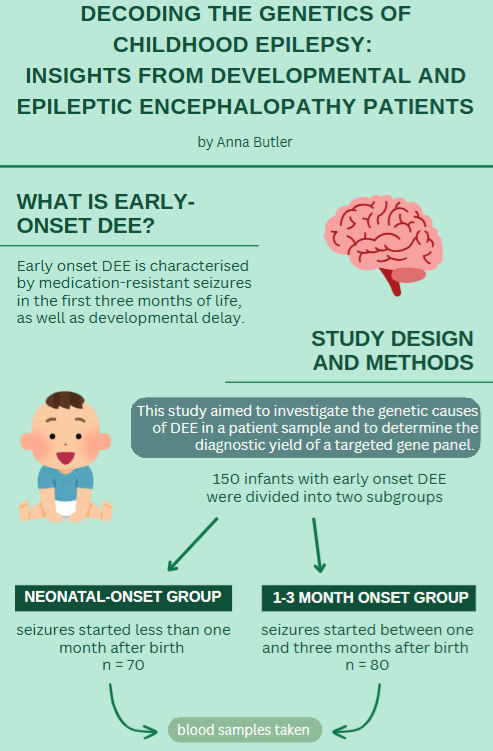
      There have been many advances in closing the gender equity gap between women and men across many fields that have empowered women and allowed them to break barriers that have existed for many years. However, a major underrepresentation of women in STEM studies still exists today. A recent study by the European commission showed that only 20-25% of STEM students are women which is interesting, considering that during schooling years, girls and boys usually take maths and science subject in equal numbers. This lessened representation of women in STEM studies increases the risk of women facing inequality in the field such as lower pay, fewer promotions and even hostile work environments. This issue not only affects women, but the STEM field too as it is a waste of talent and means slower economic growth.

      This study performed by researchers at Frontiers in Psychology was designed to show experimental evidence on the role of stereotype threat as a potential barrier to women pursuing/enrolled in STEM studies. Researchers specifically looked at experimentally activated stereotypes and the way it affects math performance and persistence in female and male engineering students in a math task that required consistent effort. The study also tested if these effects were due to the strength and direction of the gender-science stereotypes held by the participants before handling the task. 

      To investigate this problem, female and male engineering students were assigned to one of two experimental conditions, control vs. stereotype threat activation, randomly and their performance in Math Effort Task was compared. A second aim of the study was to assess to what degree the effects of the experimentally promoted threat were dependent on participants’ “pre-testing stereotypes”. The associations were expected to affect Math Effort Task performance in the threat, but in the control, condition. 

      The experimental evidence provided in this study showed that some female engineering students are threatened by stereotypes about women’s math/science abilities which directly undermines their self-confidence. This often makes them self-select into less challenging options and significantly reduces their performance in high-demanding math activities. These results confirmed that stereotype threats have the potential to act as a barrier the STEM career development of women as well as foster an adverse environmental condition already enrolled in STEM studies, which contradicts the ‘girlboss’ image showing how insidious stereotypes can hinder potential. This research too emphasises the importance of fostering an environment that allows women to flourish without harmful stereotypes and how limiting hostile conditions that could potentially reduce the self-efficacy and engagement of women in STEM in both academic and professional settings.  

      Table Between-group differences in overall M-MET scores 

      Quantile Comparison p-value 
      Q25M-StA vs. F.StA 0.015
      Q50M-StA vs. M-Con 0.014
      M-StA vs. F-Con 0.012
      M-StA vs. F-StA <0.001
      Q75 M-StA vs. M-Con 0.015
      M-StA vs F-Con0.015
      M-StA vs F-StA<0.001
      F-StA vs M.Con 0.015
      F-StA vs. F-Con 0.017 

      Above Table shows the p-values of only statistically significant different gender x group interactions in quantile-based ANOVAs comparing overall M-MET scores. M-Con, males assigned to the control experimental condition; MStA, males assigned to the stereotype activation condition; F-Con, females assigned to the control experimental condition; F-StA, females assigned to the stereotype activation condition.  

      References:

      1. Sebastián-Tirado A, Félix-Esbrí S, Forn C and Sanchis-Segura C. (2023) Are gender-science stereotypes barriers for women in science, technology, engineering, and mathematics? Exploring when, how, and to whom in an experimentally controlled setting. Front. Psychol. 14:1219012. doi: 10.3389/fpsyg.2023.1219012
    21. By Buntu Mlonyeni

      My year as a Bioinformatics Honours student at UCT has been an incredible journey of discovery and personal growth. From the excitement of exploring cutting-edge computational biology to the satisfaction of seeing my research take shape, this experience has deepened both my technical skills and my passion for the field. What began as a new academic challenge quickly transformed into an opportunity to contribute meaningfully to health sciences while forming valuable connections with peers and mentors.

      One of my biggest hurdles was to balance coursework with my research project.  Being new to the whole research and coursework schedule did feel like getting pulled in too many directions. But through structured planning, mentorship from my supervisor and support from my peers, I was able to develop strategies that helped me stay organized and focused. 

      There are times where I felt overwhelmed, especially when juggling tight deadlines or troubleshooting errors in my code. However, these moments taught me resilience, patience, and the importance of asking for help when needed. These moments taught me to embrace the struggle and celebrate the small victories. I remember when I finally understood how machine learning models correctly classify images and how complex algorithms work. The euphoria from the realization made all those challenges worth it. My research became a source of pride. What started as a daunting task evolved into something I genuinely enjoyed. Seeing my work contribute to a real scientific question, even in a small way, was incredibly rewarding.

      I’m grateful for the support I received: Lecturers who took the time to clarify concepts, classmates who became collaborators, and the quiet encouragement of seeing my own progress. This journey thus far has taught me that growth happens outside of comfort zones. The struggles you face shouldn’t break you but shape you into a capable scientist one day.

      As a Bioinformatics student, I have also learnt that Bioinformatics isn’t just about coding or biology, it’s also about problem-solving with purpose and that’s a journey worth taking.

    22. By Buntu Mlonyeni

      Imagine trying to spot a grey cat in a foggy alley… This is how challenging it gets for doctors when trying to identify brain tumour MRIs. This time though, a human life is at risk. Brain tumours aren’t uniform masses , they are complex with distinct subregions. These subregions can either be an active tumour or edema. In MRIs, these subregions often share similar pixel intensities (shades of gray). So, you can imagine trying to differentiate between the subregions under intense pressure. Failure to correctly identify these regions can lead to surgical risks.

      Traditional Ai tools try to segment these regions directly from raw MRIs but tend to struggle with this “fog” like how you would struggle identifying the cat. This leads to incomplete diagnosis.

      To essentially “de-fog” MRI scans before analysis, researchers proposed the use of a conditional Generative Adversarial Network (cGAN).  cGAN is a type of Generative Adversarial Network (Artificial Intelligence) where a generator and a discriminator both receive extra information (e.g. labels or images) as input. This allows the model to generate data conditioned on that input. Example: generating a specific digit or turning sketches into photos. The team built two cGANS,

      a) Enhancement and Segmentation GAN (ESGAN) – Tries to both improve the image and segment the tumour by learning from how patches (small image section of the tumour) are labelled

      b) Enhancement GAN (EnhGAN) – Focuses on making a clearer higher-contrast version of the MRI image that makes it easier to see different parts of the tumour. It blends this new image with the original to highlight important areas and downplay less relevant ones.

      The researchers used this model to identify the brain tumour (specifically Glioma) hidden in the gray shades.

       The model tested on public datasets of brain MRIs with tumours worked (Glioma) well or better than existing methods (at least at the time this research was made) for segmentation. This to me matters beyond the lab. It isn’t about better Ai models or algorithms but about democratizing precision medicine. It reduces reliance on expensive multi-sequence MRIs, compensating for missing scans in low-resource clinics and provides a clearer visual for human-Ai collaboration. MRI scans usually cost a lot of money to a lot of people and this research tackles the silent issue in medicine of paying thousands of rands just to get a “maybe there’s something there”. The model working better than existing methods and models can improve and make diagnosis fast to prevent these issues

      Reference

      Hamghalam, M. and Simpson, A.L., 2024. Medical image synthesis via conditional GANs: Application to segmenting brain tumours. Computers in Biology and Medicine170, p.107982.

    23. by Owethu Mlambo

      Diabetes and cancer are often seen as adult problems, but the roots of these diseases arise much earlier than anticipated. Recently a review published in Endocrine titled the Mechanisms and risk factors of metabolic syndrome in children and adolescents explores the complexity of metabolic syndrome and why it is prevalent in younger populations. Metabolic syndrome (MetS) is defined as a group of conditions like abdominal obesity, insulin resistance, high blood sugar, elevated cholesterol levels and unhealthy blood pressure which increases the risk of developing cancer, diabetes, stroke and heart disease later in life.

      Diagnosing MetS in children and adolescents is diCicult as there is no universal definition due to children constantly developing. The International Diabetes Federations guidelines are currently the most accepted for adults and adolescents between the ages of 10-16 but cannot be applied to children younger than 10 years. Therefore, lack of a standardized diagnostic criteria leads to underdiagnosis and undertreatment of MetS. The review aims to investigate the complex biological mechanisms and risk factors implicated in the development of MetS in younger populations.

      The review thoroughly investigates the complex biological mechanisms such as insulin resistance, inflammation, belly fat, unhealthy gut microbiome and Vitamin D deficiency. Additionally, it delves into major risk lifestyle factors including unhealthy diet, lack of sleep and physical inactivity that contribute to MetS. The authors of the review combined literature from previous studies focusing on genetic and environmental factors influencing metabolic health, childhood obesity, insulin resistance summarized it into one review that highlights the complex and multifactorial nature of MetS.

      The key findings demonstrated that insulin resistance is often a central precursor before symptoms are visible. Factors that contribute to MetS can either be modifiable (diet and exercise) or non-modifiable (genetics). Visceral fat releases proinflammatory molecules which cause dyslipidemia and cardiovascular complications.

      Early diagnosis and detection of metabolic syndrome helps prevent and delay the onset of MetS and its long-term eCect. Encouraging healthy lifestyle habits during childhood reduces the long- term burden of chronic diseases. ECective preventive strategies involve lifestyle modifications such as weight loss, healthy diet, exercise and adequate sleep.

      Codazzi V, Frontino G, Galimberti L, Giustina A, Petrelli A. Mechanisms and risk factors of metabolic syndrome in children and adolescents. Endocrine. 2024 Apr;84(1):16-28. doi:10.1007/s12020-023-03642-x. Epub 2023 Dec 22. PMID: 38133765; PMCID: PMC10987369.

    24. by Saba Gebreseilassie

      My honours year started with the amazing news that my application to the BMedSci (Hons) in Neuroscience at UCT was successful. I had received a conditional offer last year, but that was not enough for my heart to rest. With various other responses coming in asynchronously, some positive and some negative, the only one that mattered was this one. The application that would set me on track to achieve my dreams in neuroscience. And when it finally came through, I set out to have the best year of my life.

      Even with initial funding struggles and a few bumps in the road, my head was still high because I was where I wanted to be, even if the rest of my life hadn’t caught up. Just as I caught my breath after settling in and securing funding for this year, it became apparent that I would need to start making plans for the future. Where to from here?

      I hadn’t even written my first exam for this course, and I was pressured to start thinking about my next step. Naturally I wanted to continue in academia, but this requires funding and a well-developed portfolio. And so began the era of endless applications. In the middle of attending module lectures and preparing for presentations and assignments, I had to learn how to write about myself with praise and assemble evidence of my capabilities as a student. Thankfully, I received immense support and advice from my supervisors, previous lecturers, and mentors, which I am eternally grateful for. However, it was still very difficult to keep up with all the deadlines, manage my academics, stay creative enough to approach things with a fresh perspective, and find time for myself.

      And this led me to pause and reflect. Isn’t this enough? Surely now that I’m here my future is secure, so why do I still feel this overwhelming pressure to do and be…more? I realised how every goal in my journey had turned so quickly into a stepping stone, simply a means to an end. Even though just months ago, it seemed a mountain that needed to be summited. I deliberated on this perspective for a while, not understanding myself, and condensing these feelings to a lack of gratitude and respect for my achievements. But it was far from that. In fact, the opposite.

      I realised that gratitude is not just being comfortable with where you are because it is good enough but rather making use of where you are to push yourself further, higher. Yes, I have achieved success and should be proud of myself, but I also need to recognise the opportunities I have been presented with and the space I am taking up and to make the most of it. So that even though I look back at my past self who would have given anything to be in the spaces I walk into without batting an eyelid, I can also look toward the future me whose Tuesday is my dream.

      With this I say to you, reader: it is not that we wake up from vast dreams to limited reality; instead, we step out of sleep into actionable space – dreams are only a blueprint, not our ceiling.

    25. by Saba Gebreseilassie

      Why is it that your memories aren’t all jumbled up and follow a chronological pattern? If the cells that encode memories aren’t all aligned in a nice, neat row with one after the other, how could they possibly know not just what happened, but when? The answer: time cells. Yes, time cells: neurons that encode time separately to the ones encoding memory make sure that even outside of the what and where of it all, you know the when. Let’s explore how scientists defined time cells and how their existence and mechanisms were confirmed through experimentation.

      In 2011, researchers (MacDonald et al.) discovered that when a rat was tasked to move through a path with the goal of remembering an object, there were still cells in the hippocampus that fired when the rat was in a delay period. With no external stimuli, the rat was still keeping track of…well, time! This phenomenon was evidence of ‘time cells’, which are similar in function to ‘place cells’ which were discovered and defined earlier. While place cells fire when a subject is in a certain place, time cells fire at regular intervals during a given period. For example, some cells fire at a start period, others at an end period, some at a relative middle and others at various points in time based on an expected delay. When this delay is changed, the time cells adjust their firing to match the new predicted delay.

      You might wonder, if the delay is the same and the sequence of events is similar (e.g. waiting period in a doctor’s office vs same waiting period for a restaurant reservation) then how do you differentiate between events in a certain memory? Would they not all get muddled up because there are similar timing patterns? And here’s the kicker of the story: the time may be the same, but the cells encode time differently for different memories depending on the initial event and context! So even if the time is the same, your memories will be separate. This is achieved by dedicating cells to different times in different sequences.

      Imagine Event A is waiting to be seen in a doctor’s office. Time cells would fire in a sequence based on the context of arriving at the hospital and being assigned a seat by the hospital admin, as well as present symptoms. Likewise, imagine that event B is waiting in line for a restaurant reservation. Cells would fire in a different sequence based on context of arriving with a lovely date and a large appetite. These differences mean that the memory of waiting for 30 minutes is not isolated but integrated with context, which is encoded during memory formation.

      Why is this important? It offers insight into how the brain distributes tasks to specialized regions of the brain and informs research approaches. Although there are various aspects to a certain function, the individual counterparts are brought together to form a final thought, memory, or process. This can potentially help design treatments of memory disorders and help build models and neural networks.

      And that’s how you know your birthday party came before your final exams but after that terrible haircut. Your hippocampus has receipts.

      The complexity of this process and how the researchers used object memory and identification as well as computational models to understand how these cells work can be explored further in the paper: Hippocampal “time cells” bridge the gap in memory for discontiguous events.

      References:
      Christopher, Kyle, Uri, & Eichenbaum, H. (2011). Hippocampal “Time Cells” Bridge the Gap in Memory for Discontiguous Events. Neuron, 71(4), 737–749. https://doi.org/10.1016/j.neuron.2011.07.012

    26. By Tony Noveld

      This year has been a bit like learning to breathe underwater — familiar, yet entirely new. Coming from the relentless pace of the MBChB program into the world of honours-level research in Infectious Diseases & Immunology felt like stepping into a parallel universe where the rules weren’t always clear, the path wasn’t mapped out, and “progress” was often more of a gut feeling than a grade on a page.


      I’ve had to learn how to sit with uncertainty, to ask better questions, and (most importantly) to accept that not knowing isn’t the same as failing. It’s actually been this weird relief to slow down from the constant cramming and exams, and instead wake up wondering, “What might I discover today?” rather than “What do I need to cram into my brain before tomorrow’s test?”


      My research touches on drug interactions in mycobacteria, which sounds fancy but has taught me something pretty simple: even the most stubborn systems, bacterial or human, have their breaking points. You just need patience and the right tools to find them. That’s been showing up everywhere this year, not just in the lab.
      One of the biggest shifts has been in how I see myself. In the MBChB years, it’s so easy to get lost in the crowd. Just another stethoscope, another white coat shuffling down the hallway. But here, in this little research bubble, I’ve been reminded that I actually have ideas worth exploring, questions worth asking, and my voice doesn’t just blend into the background noise.


      Being surrounded by other students (all of us trying to figure things out in our own messy, brilliant ways) has been both grounding and uplifting. We’ve become this strange little tribe. Some of us are obsessed with cytokines, others with bacteria, others with cancer. What unites us? Shared exhaustion, serious caffeine dependencies, and (surprisingly often) bursts of laughter over the most random things.


      Of course, there have been rough days. Days when experiments completely flopped. Days when I questioned whether I actually belonged here or if I was just pretending to be smart enough. Days I genuinely missed the predictable structure of MBChB life. But even those moments have been teaching me something: resilience gets built quietly, somewhere between the self-doubt and the small victories.


      Next year I’ll be jumping back into the clinical stream while trying to keep up with postgraduate study. It’s a juggling act that has me equal parts terrified and buzzing with excitement. But if this year has taught me anything, it’s that growth doesn’t happen in neat, straight lines. It loops and stumbles and sometimes doubles back on itself, and that’s actually okay.


      I’ve started seeing my journey not just as a career path, but as a human one. I’m learning to be a better scientist, sure, but also a better teammate, a better listener, and maybe even a more present version of myself.
      And honestly? I’m deeply grateful for all of it.

    27. By Lee Fredericks

      Anxiety, a feeling we all become familiar with at some point in life. Often exacerbated when life-threatening situations manifest themselves, or when needing to do a presentation. During the COVID-19 pandemic there was an estimated 27.3% prevalence of anxiety in the general population. Making it unsurprising that up to roughly one-third of cancer patients worldwide battle with anxiety, and this is not even considering the amount of people who directly battle with psychiatric anxiety disorders.

      Treatment for these patients includes mainly Selective Serotonin Reuptake Inhibitors (SSRIs). However, these must be administered daily and do not have the desired efficacy. Meaning better treatments are needed to properly attend to these patients. To this effect, a small study has previously shown that Lysergic Acid Diethylamide (LSD) leads to long-term reductions in anxiety in patients with life-threatening illnesses. Leading these researchers to attempt to corroborate these findings and investigate if this effect is sustained in patients with psychiatric anxiety disorders without life-threatening illness.

      They did this by performing a 2-centre, double-blind, placebo-controlled study with a 2-period, random-order crossover design. Meaning that each participant will receive the treatment and the placebo in a randomized order during each respective treatment period. During these periods, participants have 2 treatment sessions, followed by monitoring for 16 weeks, with the main endpoint being anxiety symptoms at 16 weeks after the last treatment measured using the Spielberger State-Trait Anxiety Inventory-Global score.

      The results were profoundly promising in that anxiety symptoms were reduced for patients both with and without life-threatening illness at the 16-week endpoint. This was also the first-time effects were shown to last this long and some of their data even hints at effects lasting as long as 12 months. Meaning hope remains for a long-term anxiety treatment.

      References

      Getie, A., Ayalneh, M. and Bimerew, M. (2025). Global prevalence and determinant factors of pain, depression, and anxiety among cancer patients: an umbrella review of systematic reviews and meta-analyses. BMC Psychiatry, 25(1). doi:https://doi.org/10.1186/s12888-025-06599-5.

      Holze, F., Gasser, P., Müller, F., Dolder, P.C. and Liechti, M.E. (2022). Lysergic acid diethylamide-assisted therapy in patients with anxiety with and without a life-threatening illness A randomized, double-blind, placebo-controlled Phase II study. Biological Psychiatry, [online] 93(3). doi:https://doi.org/10.1016/j.biopsych.2022.08.025.

      Pashazadeh Kan, F., Raoofi, S., Rafiei, S., Khani, S., Hosseinifard, H., Tajik, F., Raoofi, N., Ahmadi, S., Aghalou, S., Torabi, F., Dehnad, A., Rezaei, S., Hosseinipalangi, Z. and Ghashghaee, A. (2021). A systematic review of the prevalence of anxiety among the general population during the COVID-19 pandemic. Journal of Affective Disorders, 293(293), pp.391–398. doi:https://doi.org/10.1016/j.jad.2021.06.073.