By Karabo Matje
Feeling cranky, irritable and down since starting the pill? You’re not alone. Many women have reported discontinuing the use of oral contraceptives after experiencing mood changes, anxiety and drug-induced depression. Emerging studies have suggested that the long-term use of combined oral contraceptives (COC) may be associated with gut inflammatory diseases as well as mental health conditions. A. Zim and A. Bommareddy, researchers from Florida Atlantic University, conducted a literature review to understand the role of COCs in central nervous system complications through their impact on the composition and diversity of the gut microbiome.
What are Combined Oral Contraceptives (COCs)?
Commonly known as the “pill”, combined oral contraceptive, is a dual-hormone therapy used to prevent pregnancy. The combined pharmacological action of progestins and estrogen prevent pregnancy by inhibiting follicle-stimulating hormone (FSH) and luteinizing hormone (LH) from the anterior pituitary in the brain. The inhibition of FSH and LH prevents the development of follicles into mature eggs (ova) that can be fertilized, and thickens the cervical mucus, making it difficult for sperm to penetrate beyond the cervix. As a result, ovulation cannot occur without a properly developed or released follicle.

How do oral contraceptives interact with the gut?
The gut serves as a home to a diverse community of microorganisms, of which 90% are bacterial
species. In a healthy individual, these bacteria form a symbiotic relationship where both the
bacteria and the host benefit. The normal flora’s “good bacteria” role is to aid in the digestion of
food and immune response by harming the pathogenic bacteria ensuring a protected internal
environment.
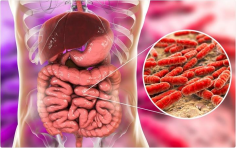
In a normal internal environment, the gut consists of the estrobolome, bacteria that regulate the circulation of estradiol. Estrobolome bacteria possess the beta-glucuronidase gene which encodes for the beta-glucuronidase enzyme that metabolises estrogen to its active forms. When synthetic estrogen, from COCs, enters the body, it fights off the “good” bacteria paving the way for opportunistic pathogens to take over. Disruption of the estrobolome leads to a “leaky gut” characterised by increased intestinal permeability and systemic inflammation which is associated with chronic gastrointestinal diseases such as Crohn’s disease. Recent studies have shown that 43% of women who experienced Crohn’s disease were current users of COCs, compared to 70% of women who used COCs in the past and 27% of women who had never used COCs.
Estrogen-Gut-Brain axis
Often referred to as the “second brain”, the gut is more than a digestive organ. Its diverse microbiome has a role in regulating the central nervous system through microbial metabolites and neurotransmitters. Short-Chain fatty acid (SCFA) microbial metabolites, have neuroprotective and anti-inflammatory properties. SCFAs affect
neural signalling through the vagus nerve that connects the brain and the gut, thus influencing brain function in regions concerning mood regulation, stress response and cognitive function. 90% of the body’s serotonin “the feel-good hormone” is produced by the gut’s enterochromaffin cells. Changes in the composition of the gut microbiota may result in imbalance of neurotransmitter, mainly serotonin, levels and subsequently in mood instability and stress-related disorders. Due to the “leaky gut”, bacterial endotoxins can cross the gut barrier and migrate to the brain, activating microglia and leading to neuroinflammation, a key feature in mood disorders.
Now that we know all this information, what’s next?
While there is growing evidence on how the tiny pill may be messing with your emotions indirectly through the gut, further research should be conducted taking into account other factors such as the initial gut health of an individual and the different effects of the various types of oral contraceptives. Additionally, no woman is the same as the other, genetics and previous history of anxiety or depression may lead to enhanced effects. Still on the pill? Consider using Lactobacillus and Bifidobacterium probiotics which provide gut protection and increased serotonin levels, improving your mood.
References
Rathore, K. et al. (2025) ‘The Bidirectional Relationship Between the Gut Microbiome
and Mental Health: A Comprehensive Review’, Cureus [Preprint]. Available at:
https://doi.org/10.7759/cureus.80810.
Zim, A. and Bommareddy, A. (2025) ‘Estrogen-Gut-Brain Axis: Examining the Role of
Combined Oral Contraceptives on Mental Health Through Their Impact on the Gut
Microbiome’, Cureus [Preprint]. Available at: https://doi.org/10.7759/cureus.81354.

 Health Science Reviews
Leave a comment