By Romi Blom
Scientists have recently discovered a hidden universe within our bodies—the microbiome. Comprising trillions of microorganisms, our microbiome plays a crucial role in our overall health. But how exactly does it influence our well-being, and what happens when it goes awry?
In a recent review article titled “Microbiota in Health and Disease,” researchers examined how the microbiota, the community of microorganisms residing in our bodies, impacts health and disease. Their findings could revolutionize our understanding of many chronic conditions.
Imagine having an army of tiny helpers working around the clock to keep you healthy. That’s essentially what your microbiota does. These microorganisms assist in digesting food, producing vitamins, and protecting against harmful pathogens. However, when the balance of this microbial community is disturbed (in dysbiosis), it can lead to various health issues, including obesity, diabetes, and even mental health disorders.
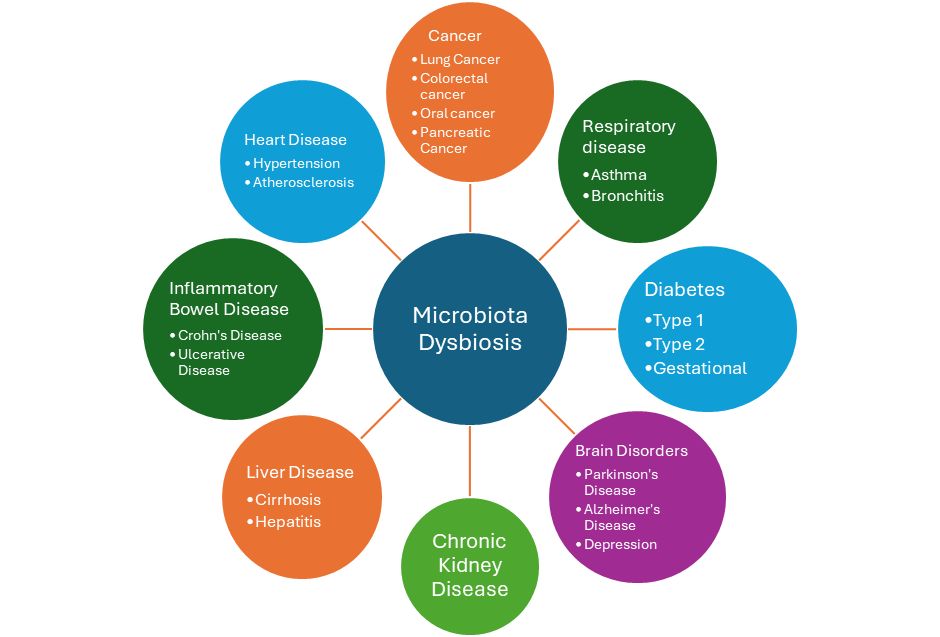
The How: Delving Into the Microbiome
To investigate this relationship, the team conducted high-throughput sequencing of microbiota samples from healthy individuals and patients with various diseases. They analysed the genetic material of the microorganisms to identify differences in the composition and function of the microbiota between the two groups. This comprehensive approach allowed them to uncover specific microbial patterns associated with health and disease1.
The results were striking! The researchers discovered that beneficial bacteria were significantly reduced in patients with chronic diseases, while harmful bacteria were more prevalent. For instance, individuals with type 2 diabetes had lower levels of Akkermansia muciniphila, known for its anti-inflammatory properties. These findings suggest restoring the microbiota balance could be a potential therapeutic strategy. Targeting the microbiome can prevent or alleviate chronic diseases, offering a new frontier in personalized medicine.
From Research to Real Life
The potential applications of these findings are vast and exciting. One practical application is the development of probiotics and prebiotics tailored to individual microbiome profiles. Personalized microbiome-based therapies could become a standard part of treatment plans for various conditions, from metabolic disorders to mental health issues. Dietary interventions designed to support a healthy microbiome could also be crucial in preventive healthcare. For instance, researchers identified that the intake of specific fibres and fermented foods could promote the growth of beneficial bacteria, which can help regulate metabolism and reduce inflammation.
Moreover, microbiome research can inform the development of new diagnostic tools. By analysing an individual’s microbiota, doctors might predict the risk of certain diseases before symptoms appear, allowing for early intervention and more effective management. This personalized approach to medicine could significantly improve patient outcomes and reduce healthcare costs.
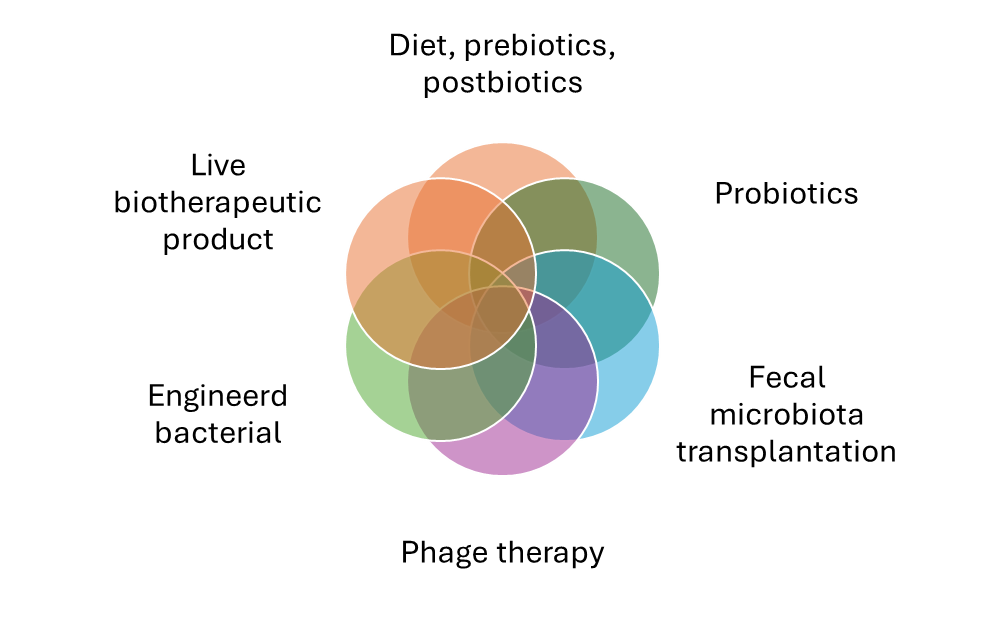
The Power of the Microbiome
This study highlights the immense potential of microbiome research in transforming healthcare. It opens up possibilities for microbiome-based treatments and personalized interventions. By understanding and harnessing the power of our microbial partners, we can unlock new pathways to better health. As research progresses, we can look forward to a future where maintaining a healthy microbiome is a cornerstone of disease prevention and treatment.
References:
1. Hou, K. et al. Microbiota in health and diseases. Signal Transduction and Targeted Therapy 2022 7:1 7, 1–28 (2022).

 Health Science Reviews
Leave a comment