by Cameron Timm
Imagine this: A busy city in Nigeria, where the streets are alive with the symphony of honking horns, revving engines, and the hurried footsteps of pedestrians. Among this lively chaos lies a silent danger that often goes unnoticed – road traffic injuries (RTI).
In Africa and various low- and middle-income countries, these injuries bear a heavy burden, with head injuries being a particularly concerning outcome. Researchers from the University of Ibadan and the University College Hospital embarked on a journey to unravel the incidence, causes, and severity of road traffic-related head injuries in a Nigerian academic neurosurgical practice.
Questioning the Unseen Danger
In this study, researchers from the University of Ibadan and the University College Hospital set out to answer a crucial question: What is the true extent of road traffic-related head injuries in Nigeria?
Peering behind the curtain: The How
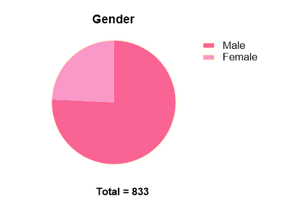
To answer their question, the researchers took a retrospective cross-sectional approach, analyzing data from a prospective head injury registry at an academic neurosurgery practice in Nigeria. Their canvas spanned 7 years (August 2009 – June 2016), painting a picture of 1034 head injuries, out of which 80.6% were a result of all-terrain road traffic accidents. Within this mosaic of injuries, they noted a broad spectrum of ages, with an average of 33.06 years and the most common age group affected was 21-30 years, accounting for 27.7% of cases. The male-female ratio stood around 3:1, emphasizing the vulnerability of young males on the road.
Unveiling the Consequences: Results and Insights
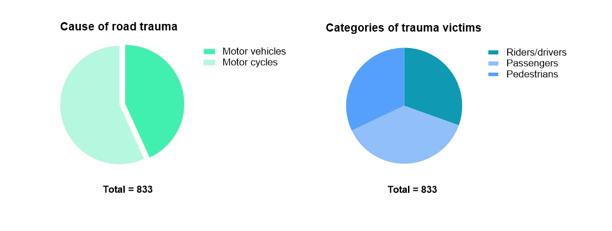
Digging deeper into the canvas of injuries, the researchers found motorcycles and motor vehicles to be the exclusive culprits. More than half of the cases were due to motorcycle crashes, often involving vulnerable road users like pedestrians. A stunning revelation emerged – over 90% of these victims belonged to the low socioeconomic class, highlighting the inequality woven into the fabric of road safety.
The severity of the injuries painted a grim picture as more than half of the head injuries were moderate to severe, accompanied by a loss of consciousness in 93% of cases. The injuries extended beyond the head, affecting various organ systems in 50.5% of cases. Surgical interventions were needed, but many victims faced logistical challenges in receiving timely care.
A Glimmer of Hope: Implications and Beyond
As the sun sets on this study, its implications are clear. The researchers emphasized the urgent need for road safety interventions, especially targeting vulnerable road users and the economically disadvantaged. This study serves as a call to action for governments, policymakers, and communities to join hands in creating safer roads and protecting those who navigate them.
In a world where the streets are a canvas of life’s hustle and bustle, this study serves as a reminder that beneath the surface lies a perilous reality that demands attention, compassion, and change.
[Adeleye, A. O., Olowookere, K. G., & Olayemi, O. O. (2009). Clinicoepidemiological profiles and outcomes during first hospital admission of head injury patients in Ikeja, Nigeria: A prospective cohort study. Neuroepidemiology, 32(2), 136–141. https://doi.org/10.1159/000182821%5D

 Health Science Reviews
Leave a comment